Kamakura – Komachi-dori and Wakamiya-oji
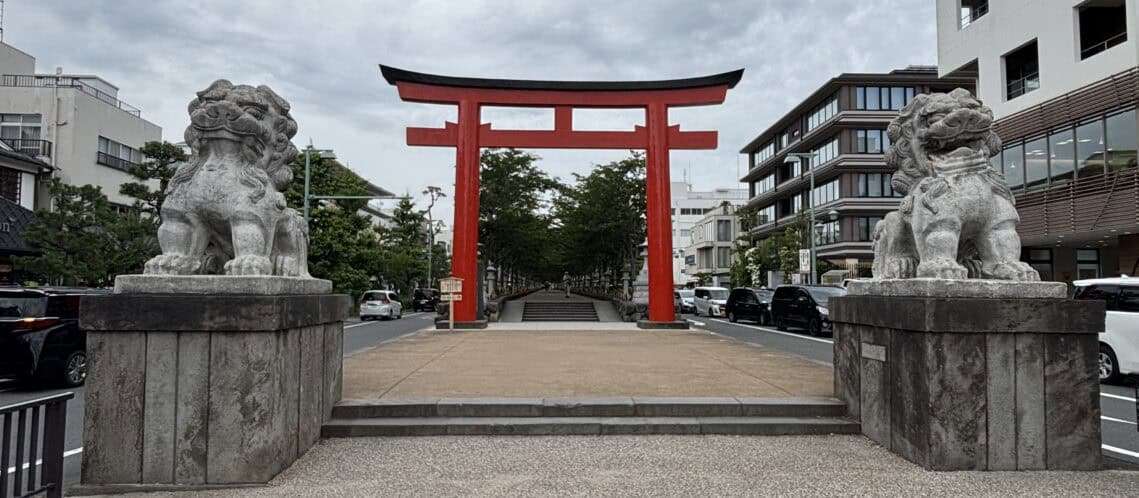
It is an easy 10-15 minute walk from Kamakura Station to Tsurugaoka Hachimangu Shrine and there are two main routes to get there. Both are worth taking! We took Komachi-dori to the shrine and Wakamiya-oji back. A red torii gate is visible from the train station, beckoning you to walk through it and towards the shrine. The gate is at the southern entrance of Komachi-dori, a typical pedestrian shopping street that reminded me a little of Sensō-ji’s Nakamise-dori. It was crowded but less stressful than Nakamise-dori. Maybe it was a little wider? Or maybe it made a difference that we …

Continue Reading

Akihabara

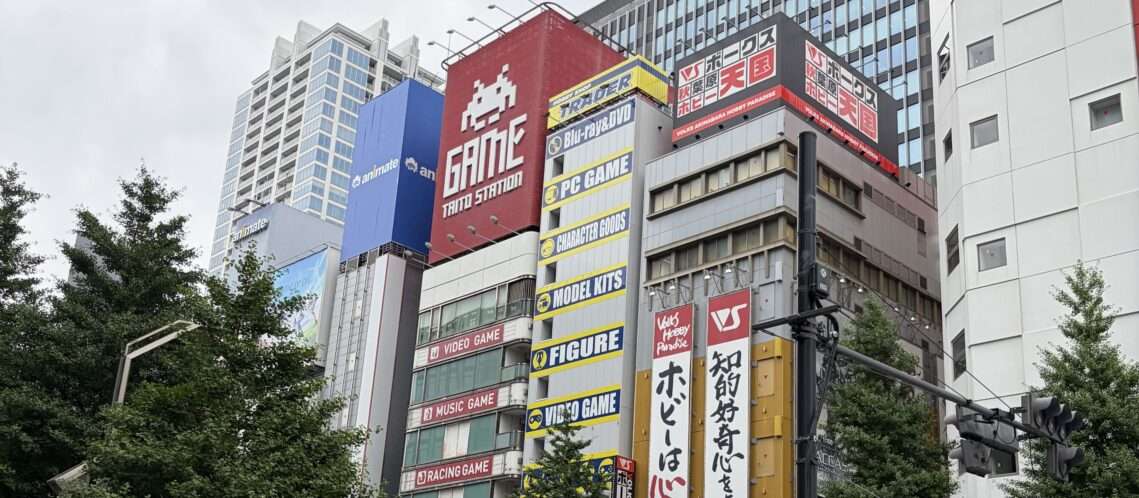
Our last stop on day #2 in Tokyo was Akihabara, also known as Electric Town. If Harijuku is Tokyo’s center of Japanese youth culture and fashion, Akihabara is its hub for electronics, video games, anime and manga. This interested my teenage boys much more than kawaii fashion and culture. We took the train from Asakusa to Akihabara and headed out to explore Electric Town. Our first stop was Super Potato, a retro video game store. We had a little trouble finding it, as the entrance was not well marked. Google Maps kept telling us we were there and we kept …

Continue Reading

Samurai Ninja Museum

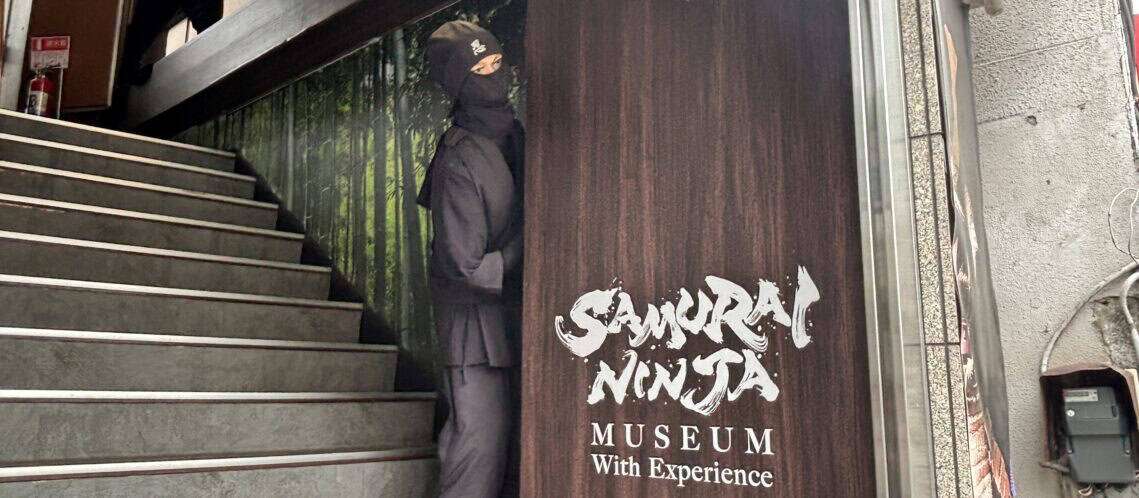
My oldest son was really interested in learning more about samurai and requested to go to a samurai museum. There are 6 museums in Tokyo that either solely focus on samurai or offer significant samurai exhibits as part of a larger museum. The Samurai Ninja Museum in Asakusa fit into our day 2 itinerary perfectly. After finishing our visit to Sensō-ji, we made the short walk to the samurai museum, officially called the “Samurai and Ninja Museum with Experience”. The “experience” is an important distinction – this is not a historical museum that you can walk through at your leisure. …

Continue Reading

Sensō-ji Temple

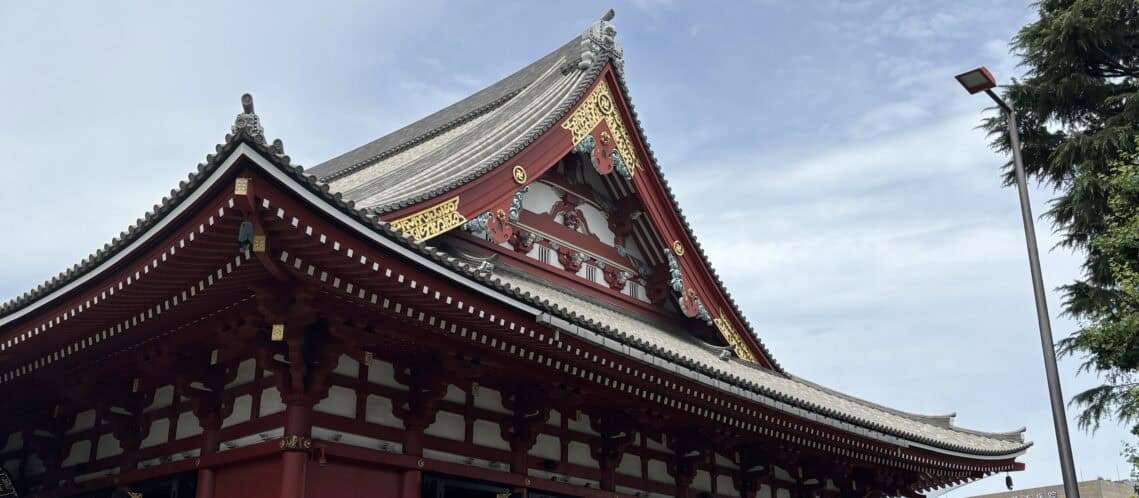
On our first day in Tokyo, we were introduced to Shinto traditions through our visit to Meiji Jingu. On our second day, we visited our first Buddhist temple, Sensō-ji (or Asakusa Kannon Temple). Completed in 645, it is Tokyo’s oldest temple and is dedicated to Kannon, Bodhisattva of Mercy. Like many Japanese templates and shrines, the original buildings were destroyed by bombings during WWII and rebuilt in 1958. Legend states that the temple was created after 2 fisherman caught a gold statue in their net. They attempted to return it to the water several times, but kept catching it again …

Continue Reading

Sumida Park

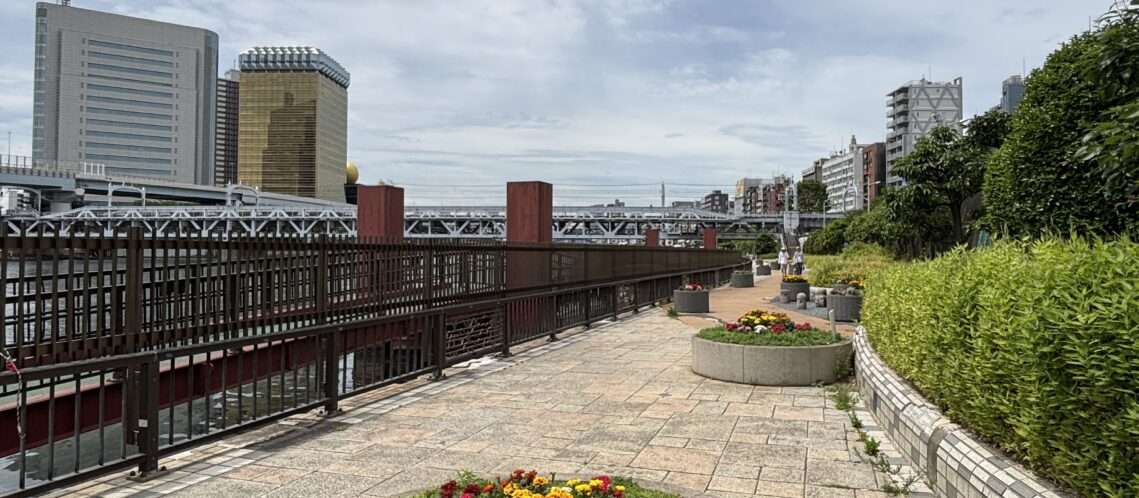
Day 2 in Tokyo started with a stroll through Sumida Park on our way to Senso-ji. Sumida Park is a linear park that runs along both sides of the Sumida River between the Taito and Sumida wards in Tokyo. Less than a 5 minute walk from Asakusa Station, it was only a slight diversion on our walk to Senso-ji. From the station we walked towards Azumabashi Bridge. We went down to the Sumida River Terrace on the near side of the bridge, but on the far side we could see Tokyo Skytree and the golden Asahi Beer Hall flame. The …

Continue Reading

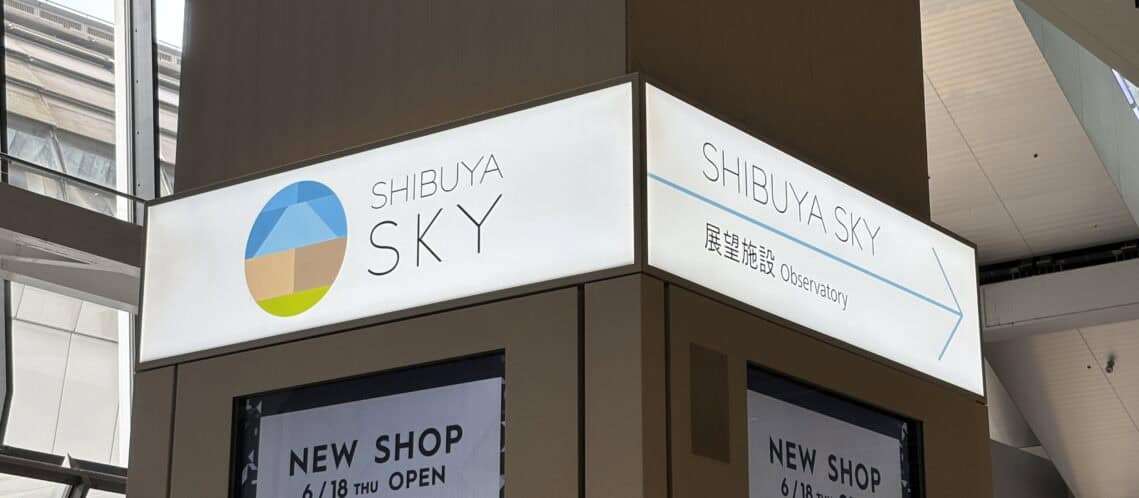
Shibuya Sky

Tokyo is an amazingly large city and there are several observation decks that allow you to see just how vast it is. Shibuya Sky and Tokyo Skytree are two of the most popular. Both charge a fee ($17 for Shibuya Sky and $13 for Tokyo Skytree), and many people recommend the Tokyo Metropolitan Government Building as a free alternative. I left the Metropolitan Building loosely in our schedule on our Shinjuku day but wasn’t sure if the timing would work out. In order to be sure that we would didn’t miss the opportunity to see the city from above, we …

Continue Reading

Shibuya

Our last stop on our first day in Tokyo was Shibuya. A bustling part of the city, Shibuya is best known for its shopping and entertainment. It attracts almost 2.5 million visitors per day, about 2500 of which cross the intersection at Shibuya Crossing every time the light changes. In Harajuku, we found Takeshita Street’s narrow, tightly packed street overwhelming. Shibuya is Harajuku on steroids. More space just means more people. Our first stop in Shibuya was Shibuya Sky, an observation deck on the 47th floor of Shibuya Scramble Square. Offering 360 degree views of Tokyo, it is a literal …

Continue Reading

Harajuku

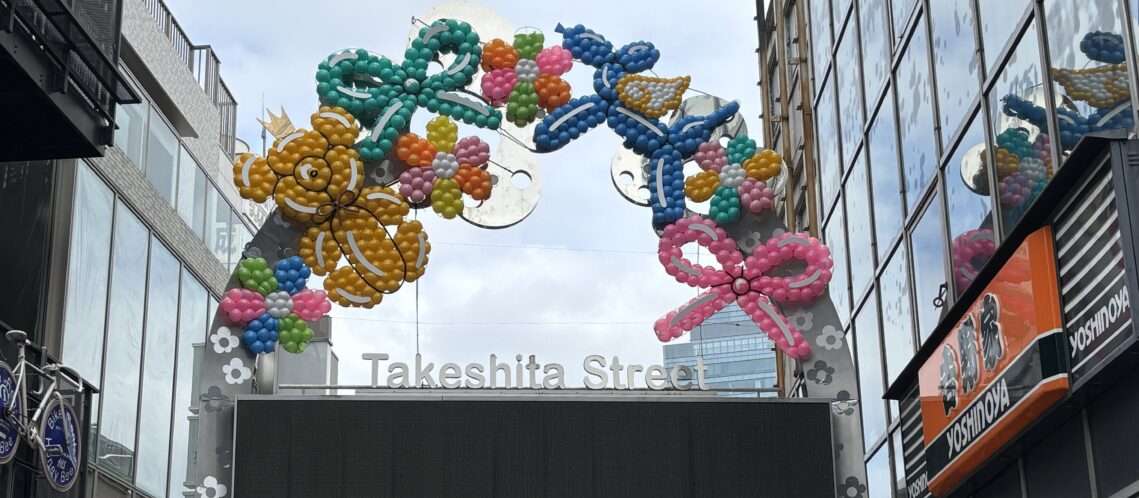
After spending time enjoying the peace and tranquility of Meiji Shrine, we headed to Harajuku, and it is hard to imagine a bigger contrast in atmosphere. The Harajuku neighborhood is known as the center of Tokyo’s youth culture. Filled with trendy clothing boutiques, animal cafes, and crepe stands, the change in vibe is a bit of a shock to the system. We walked down Takeshita Street and were immediately met with sensory overload. The narrow 350 meter long pedestrian street is packed with people and loud, trendy shops. Japan’s kawaii (“cute”) culture is on full display here. We saw young …

Continue Reading

Meiji Jingu

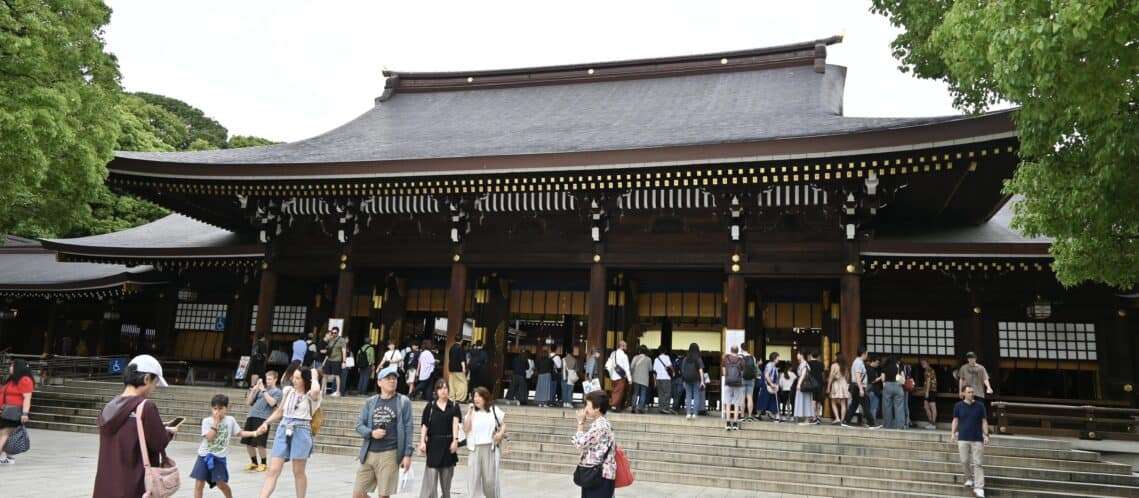
Our first stop in Tokyo was Meiji Jingu and it was a fitting start to our trip. This Shinto Shrine located in Shibuya is dedicated to Emperor Meiji and Empress Shoken. Emperor Meiji is credited with modernizing Japan and turning it into a global industrial power during his reign from 1867-1912. The shrine to honor him was completed in 1920 and rebuilt after it was destroyed in World War II. People often come to this shrine to pray for blessings in love and marital harmony. There are three main entrances to Meiji Shrine – the South Entrance (Harajuku), the North …

Continue Reading

Key West Aquarium

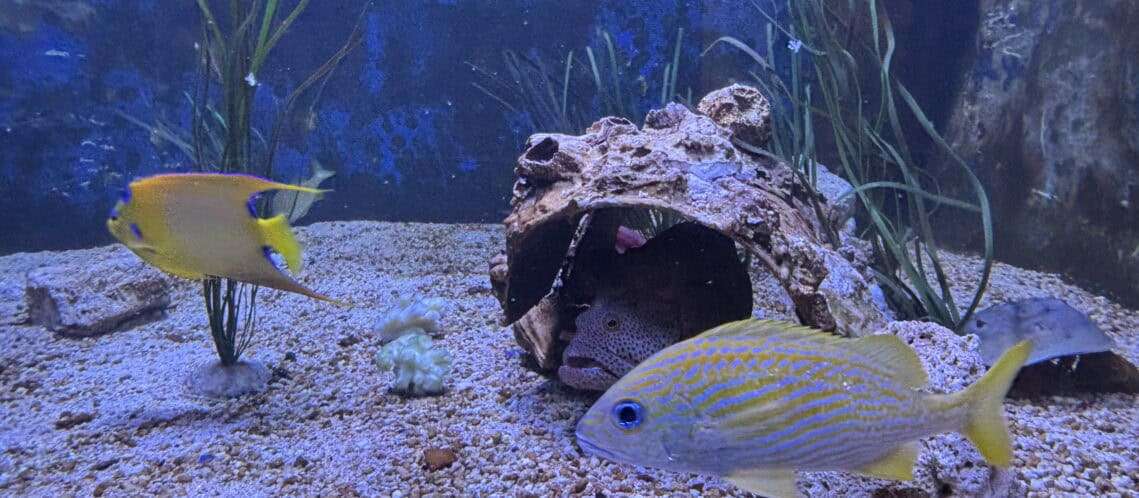
We had some time to kill on our last day between our rental check out and our flight home so we decided to go to the Key West Aquarium. Aquariums are always a family favorite and we’ve been to some great ones across many states and countries. The Key West Aquarium is small but worthwhile. They pack a lot of punch in their small space and do some important conservation work. The Key West Aquarium was celebrating its 90 year anniversary when we were there. Opened in 1935, it was both the island’s first tourist attraction and the country’s first …

Continue Reading