On our first full day in Kyoto, we had an e-Bike tour scheduled in the afternoon and nothing planned in the morning. Beyond that, we had a day planned in Arashiyama to visit the bamboo grove and the monkey park. The most obvious Kyoto highlight was missing from our itinerary – Fushimi Inari.
One of Japan’s most iconic sites, Fushimi Inari is wildly popular because of its 10,000 torii gates. Lining the 2.5 miles of paths through the mountain, the vermillion gates are one of the most photographed sites in Japan. And that means that something else is lining the 2.5 miles of paths… people. And lots of them.
My husband had been to Fushimi Inari on a previous trip to Japan. My kids had no interest in either fighting the crowds or waking up early to avoid the crowds. So I knew if I wanted to see Fushimi Inari (which I did!) I would be on my own. As an early riser, I relished the idea of beating the crowds there. So on our first morning in Kyoto before our afternoon bike tour, I got up around 5 am and headed to Fushimi Inari.
The shrine is open 24 hours a day, 365 days a year and is free to enter. The shops in the shrine and nearby don’t open until 8:30 or 9 but the grounds are always open for exploring. I arrived a little after 6 to an almost empty complex. Having seen all the pictures of wall to wall people, it was amazing to look around and see only a handful of other guests.
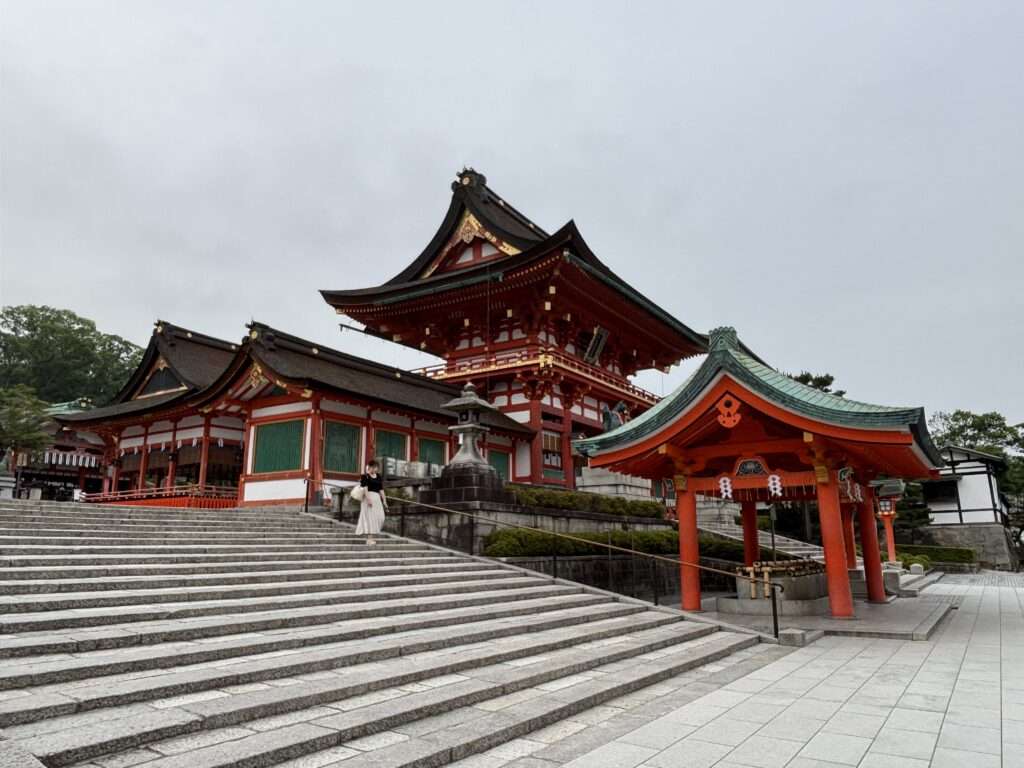
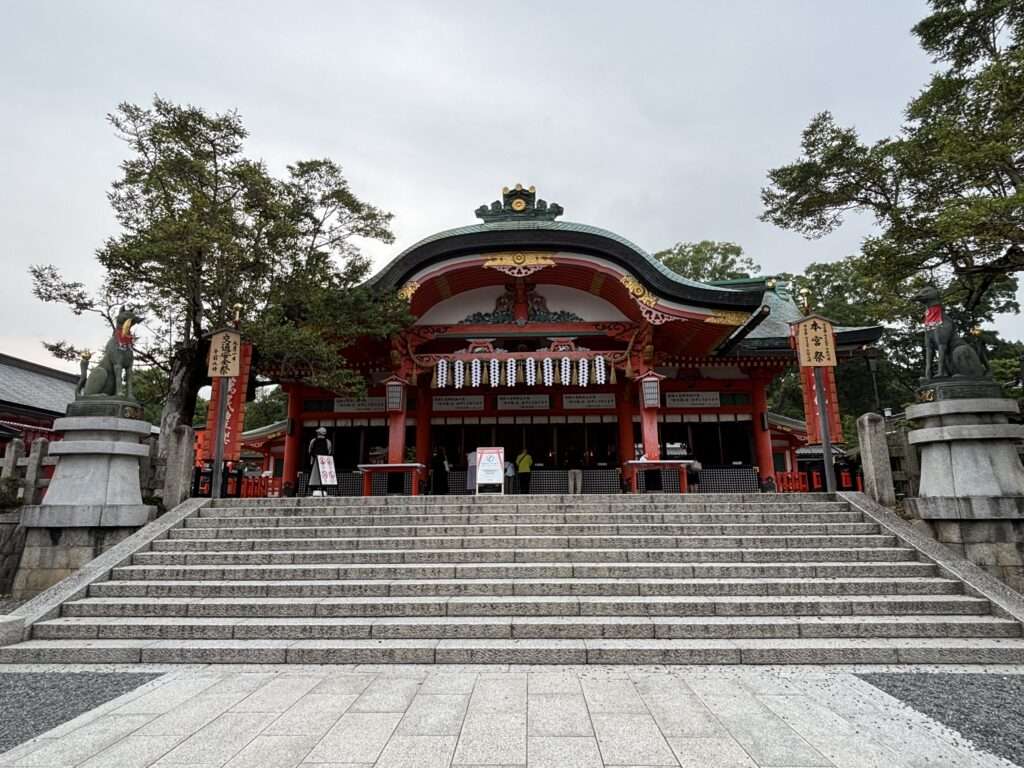
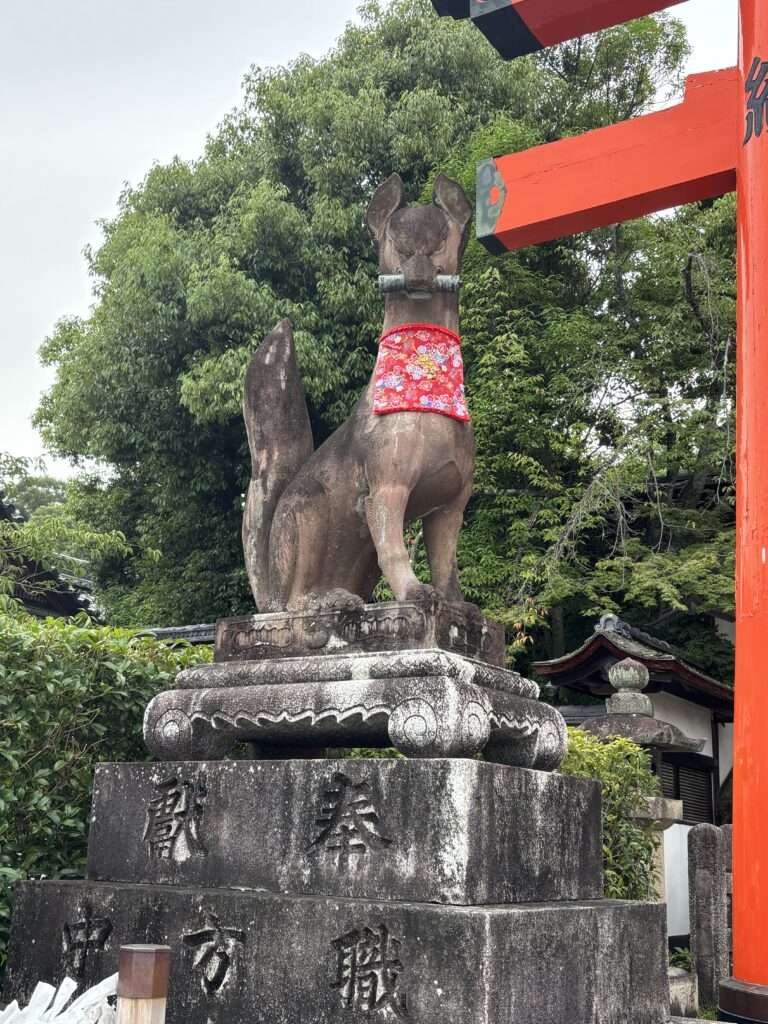
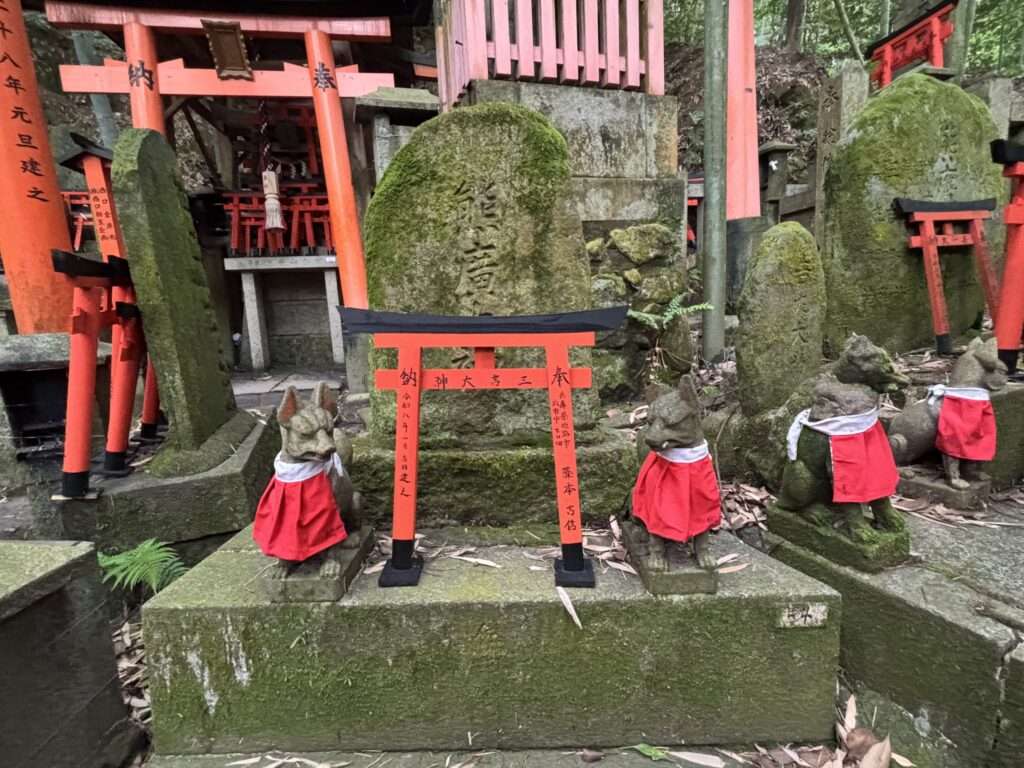
I wanted to move relatively fast, both to stay ahead of the crowd and the heat and to try to meet my family for breakfast at the hotel. Before heading up, I took some time to admire several (of many) sets of fox statues. Foxes are known to be sacred messengers for Inari Okami, the Shinto god of rice and agriculture who is the enshrined at Fushimi Inari. The fox statues appear in pairs and protect the grounds from evil. The fox often carry something in their mouth – a scroll representing wisdom, a ball representing the spirit of god, a rice sheaf signifying a god harvest, or a key to the rice granary. They also frequently wear red bibs to ward off evil (similar to the red hats on the Jizu and Rakan statues at Daisho-in).
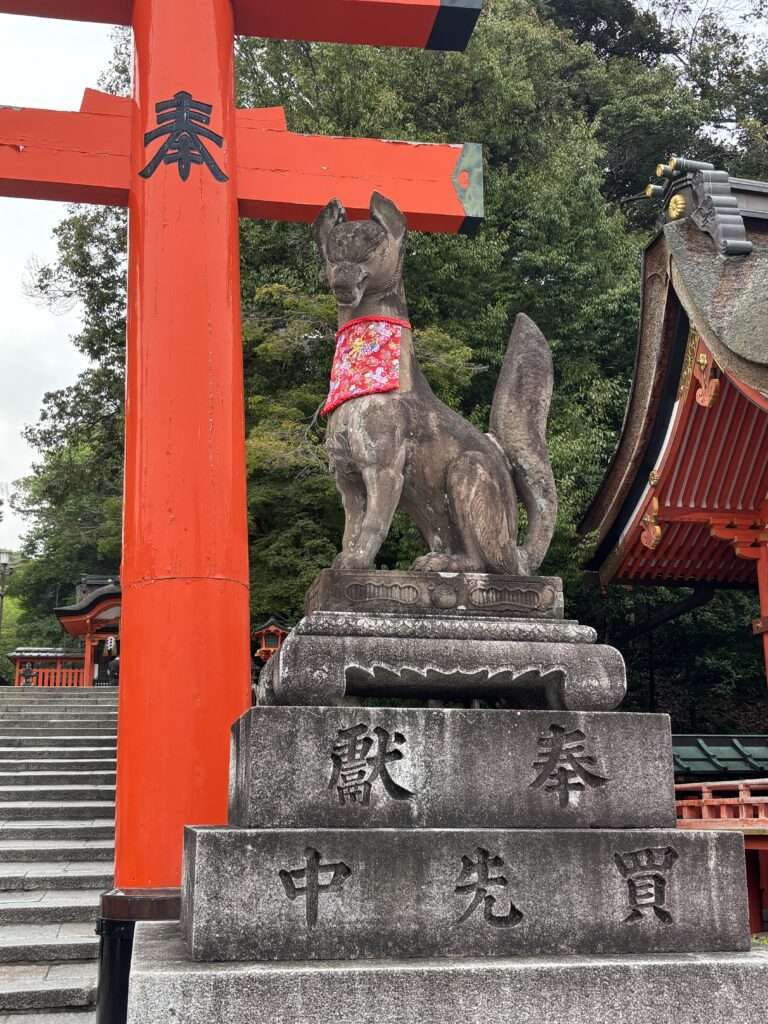
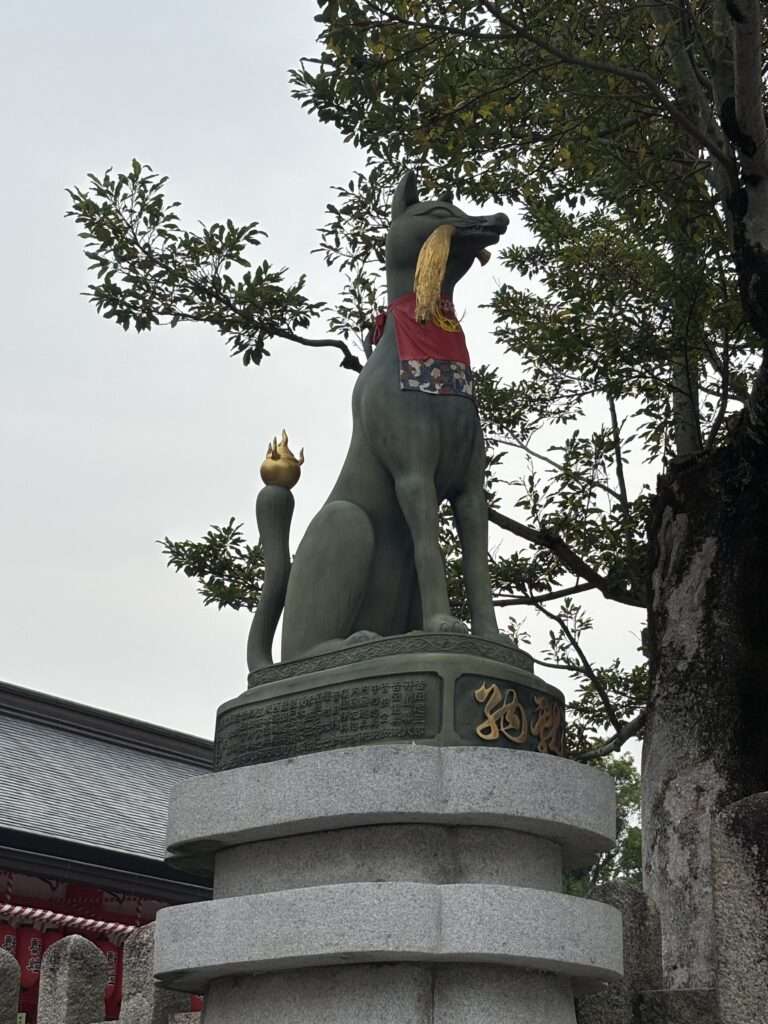
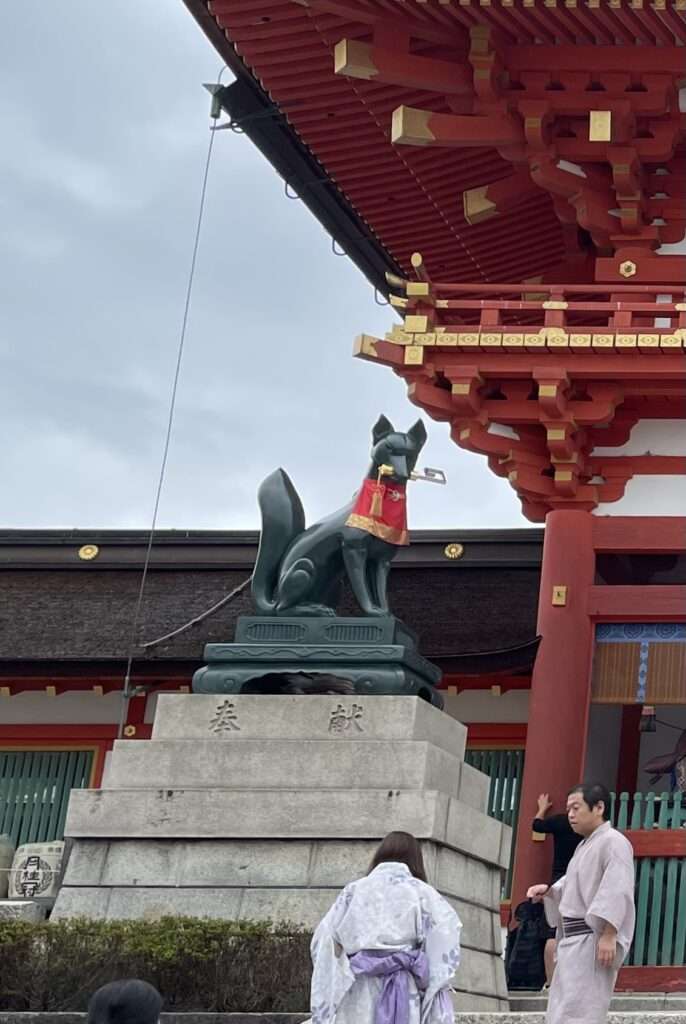
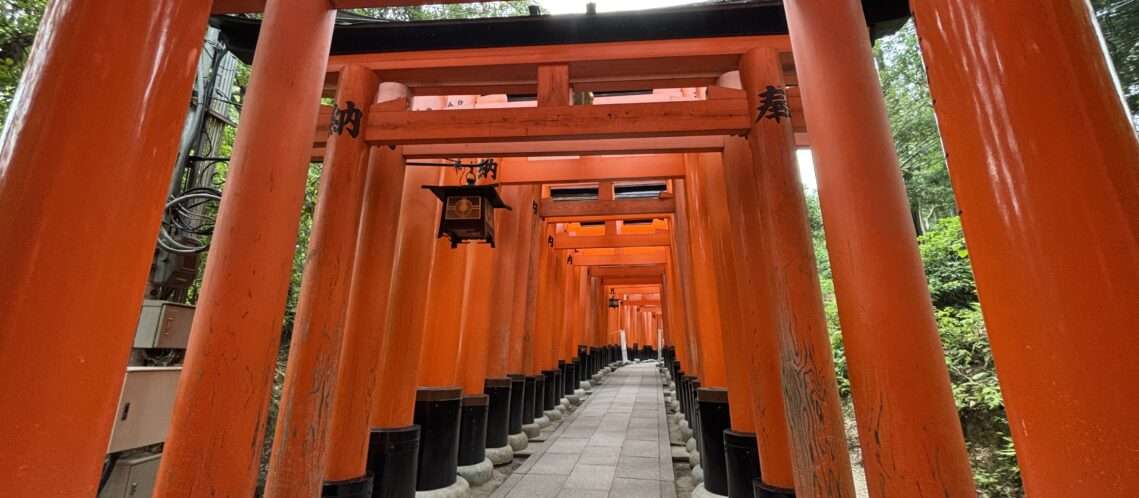
The fox are fun to discover throughout Fushimi Inari, but the reason that everybody comes is to see the thousands of torii gates. While Inari is the god of rice, he is also associated with general prosperity and success in business. To that end, the thousands of gates in the shrine complex are donations from businesses. The front of all of the gates features two Japanese characters – 奉 on the right and 納 on the left. Together the characters mean hounou, or offering. On the back of the gate, the donating businesses’ names are inscribed on the left side and the donation date on the right. Depending on the size of the gate, they last between 5 and 10 years before they rot, at which time they are replaced by a newly donated gate.
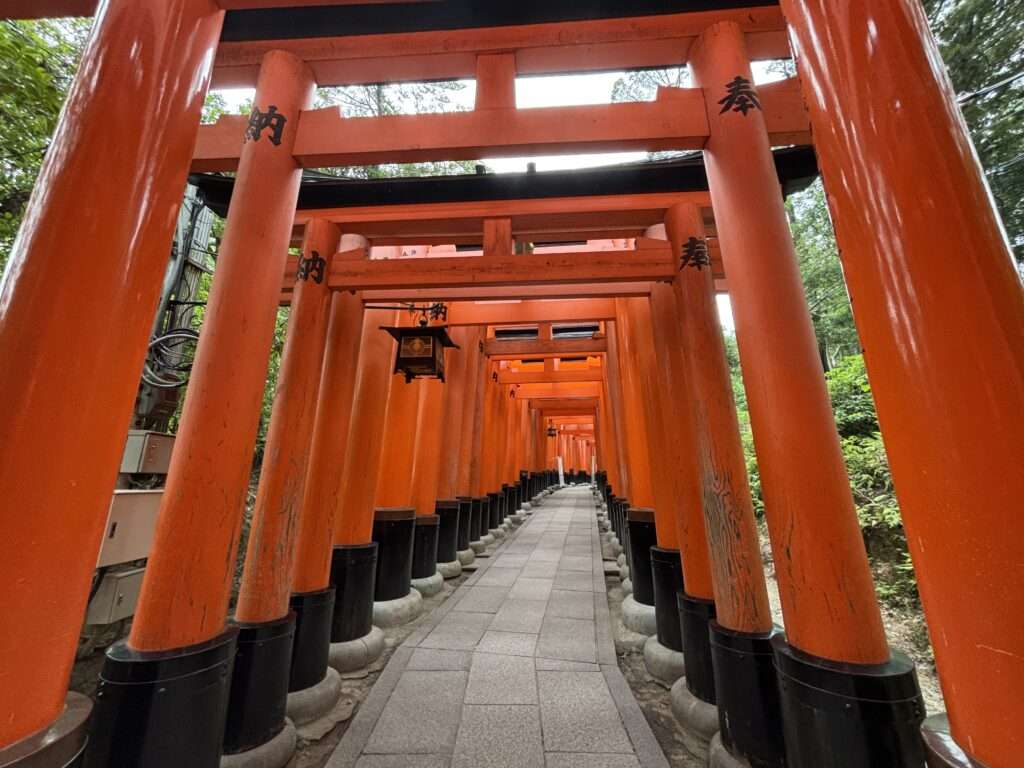
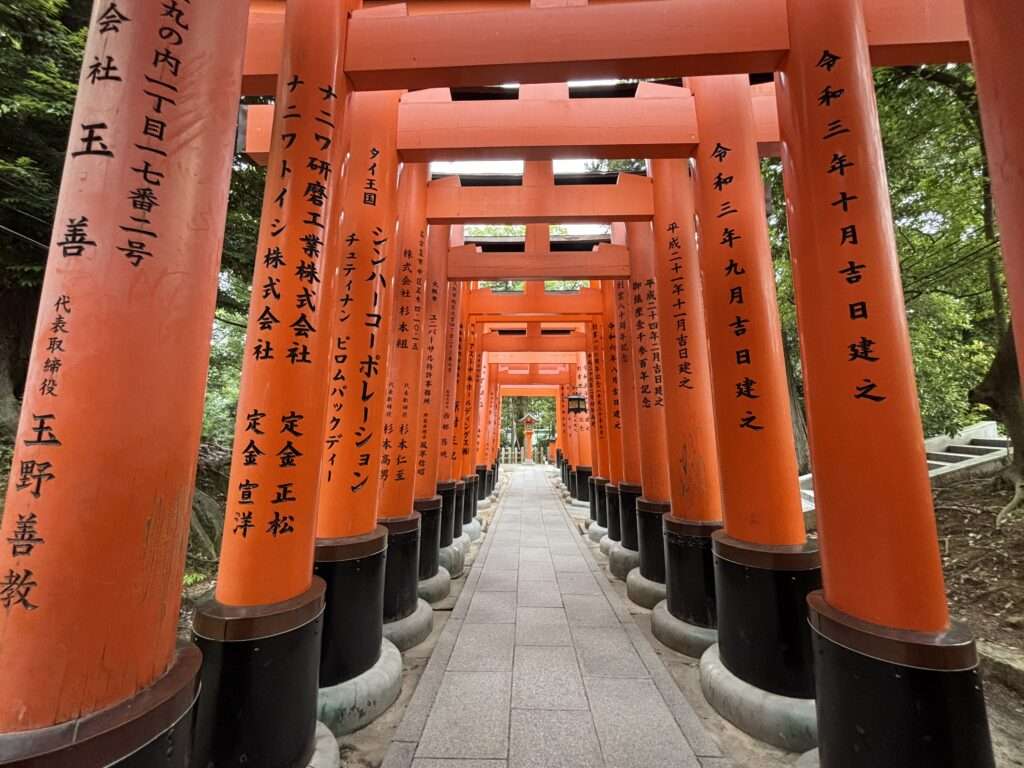
The first section of torii gates is called senbon torii (a thousand gates). Two fox statues guard the entrance. You pass under two larger torii gates and then the path splits. There are two parallel rows of gates in this section and you are supposed to go up on the right and come back down on the left. This is the most famous and most crowded section. The gates are smaller and packed tightly together, creating a tunnel-like effect as you walk through. At 6:30 am the path was almost empty and took only a minute or two to walk through.
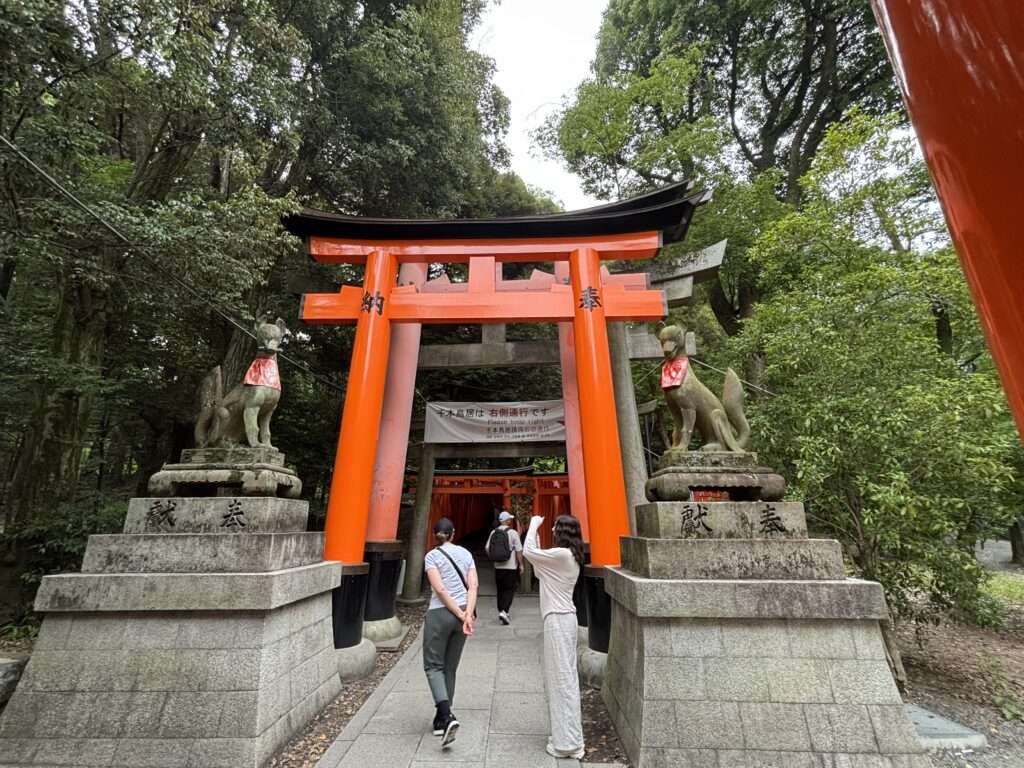
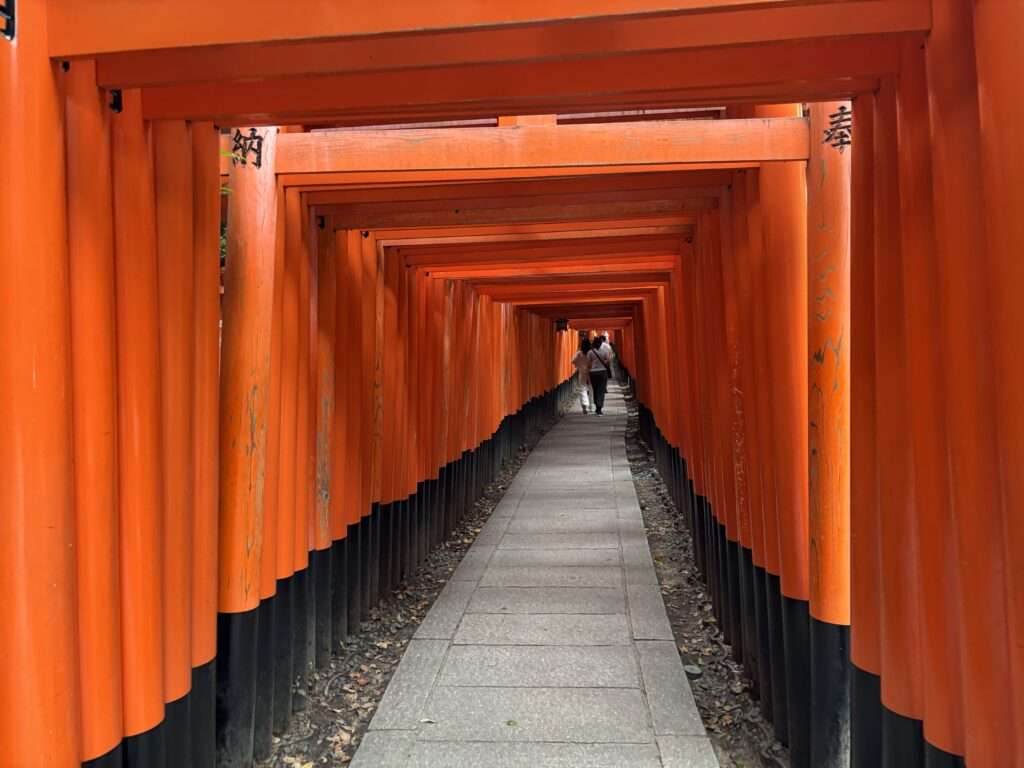
During the day, the senbon torii section is packed and many people (either due to frustration with the crowds or an unwillingness to hike uphill) only make the 10-15 minute walk up one side and down the other. But there is so much more! There are some 9,000 more gates winding up the mountain. The 2.5 mile round trip hike will take you through thousands of torii gates, past dozens of fox statues, to an amazing viewpoint over the city, to hidden bamboo forests, and maybe even lead to an encounter with wild boar! It is well worth the time and effort, and even during the day the crowd will be much thinner the farther up you walk.
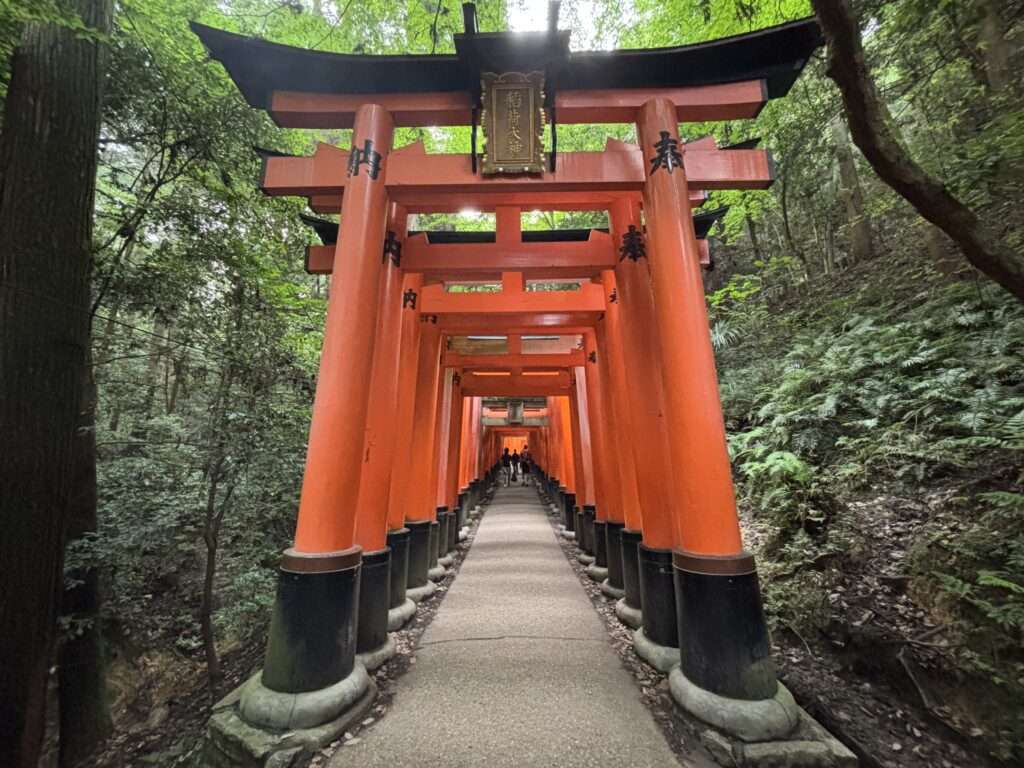
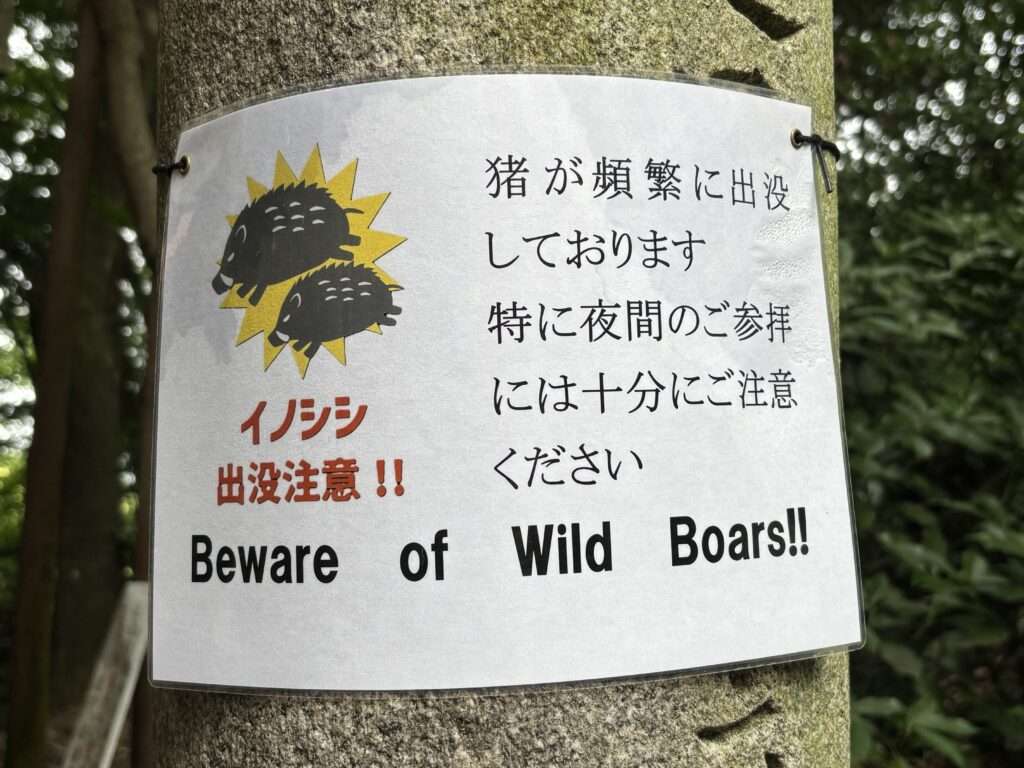
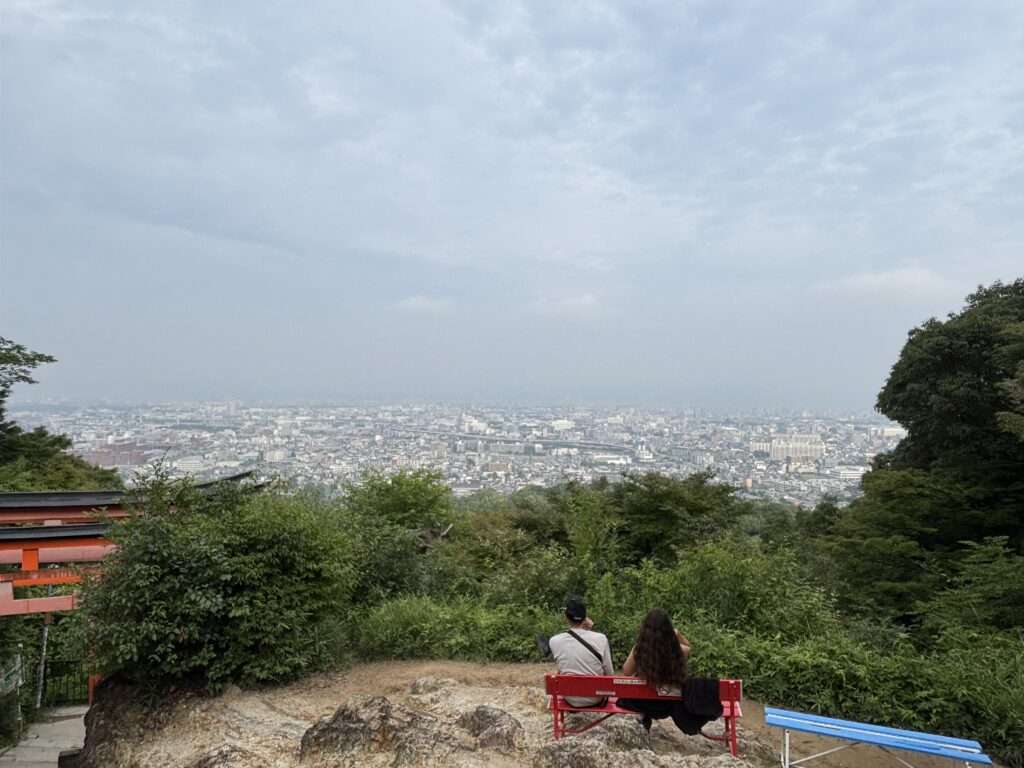
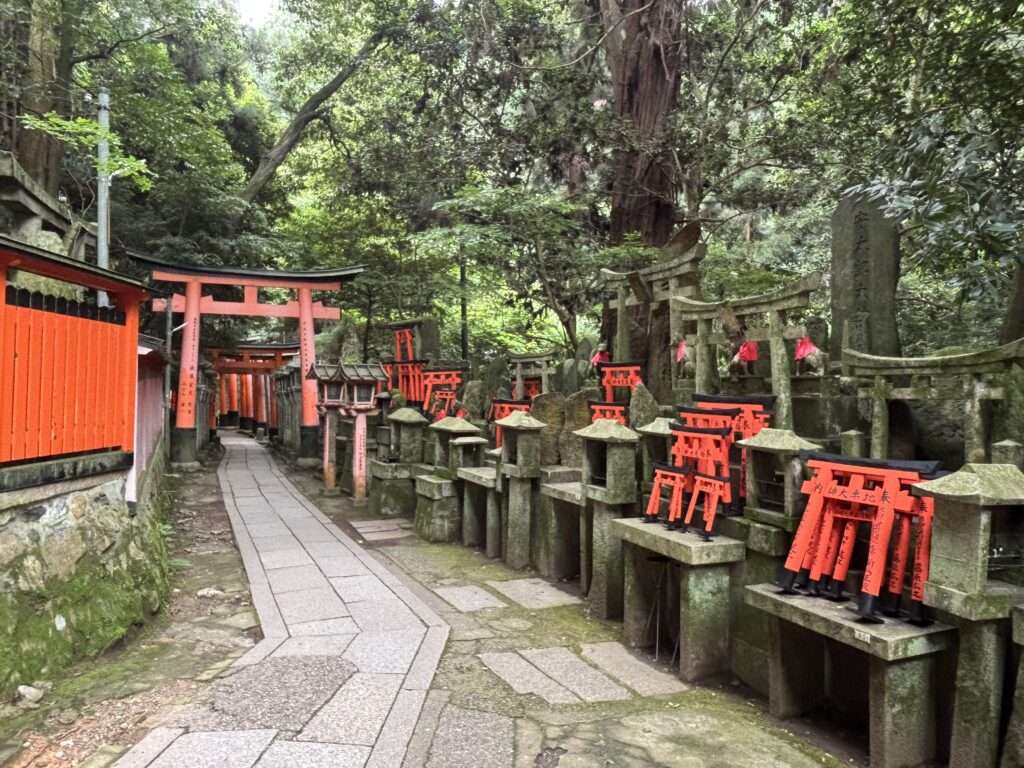
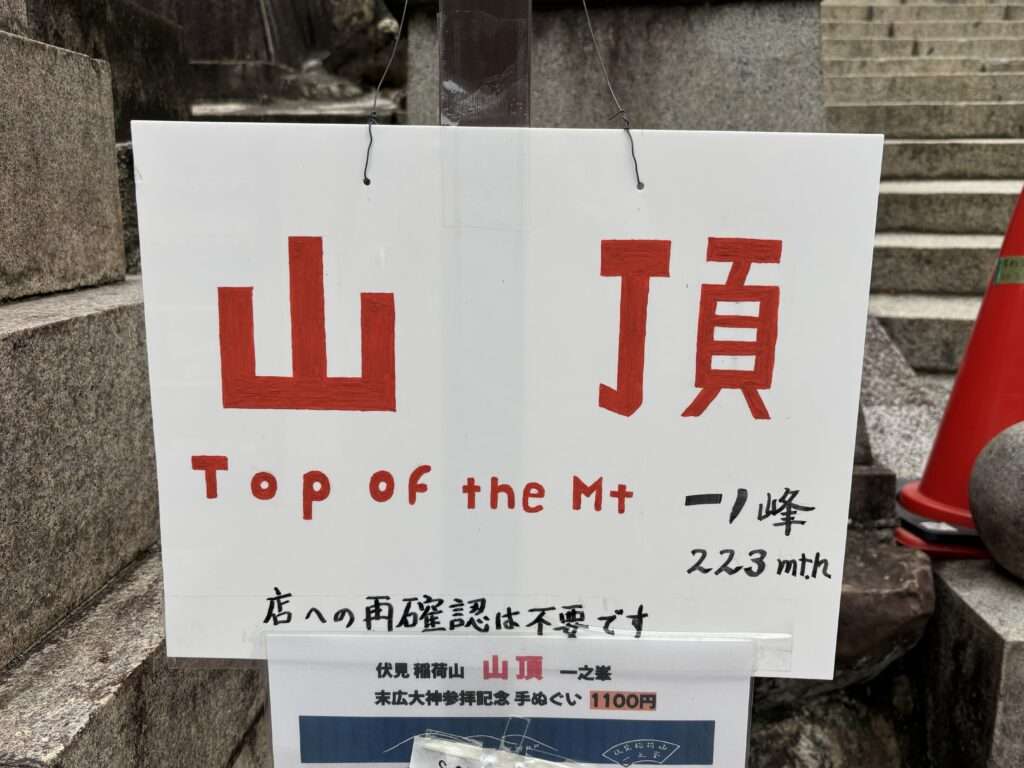
I made it to the top in a little less than an hour. It was July and even before 7:30 am, it was hot and I needed some quick rests and water breaks on the way up. But there was also a lot to explore along the way, providing the opportunity for natural breaks and regulating your pace. Be sure to enjoy the journey and not just the destination!
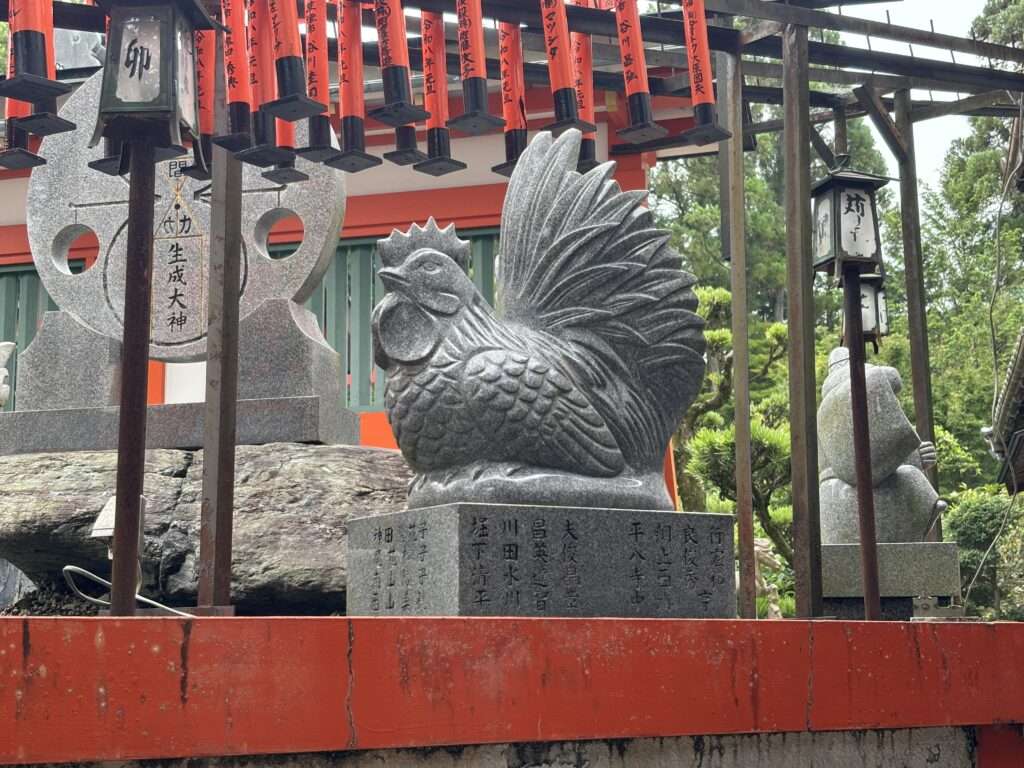
Coming down only took about half the time. At one point near the base, there is an alternate path that takes you to Hachirei Shrine. This small sub-shrine features a statue of the deity Ukanomitama (the rice and food kami of Inari) surrounded by statues of the twelve animals of the Chinese zodiac. It was a neat spot to wander through for a few minutes and a nice diversion from retracing my steps back to the bottom.
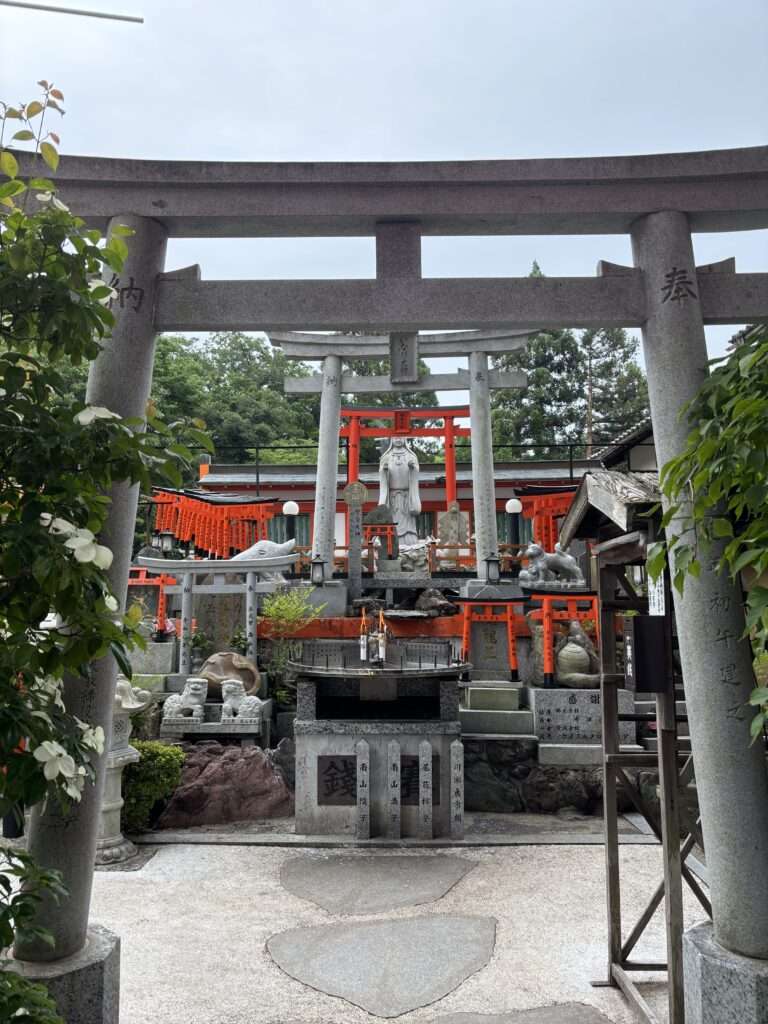
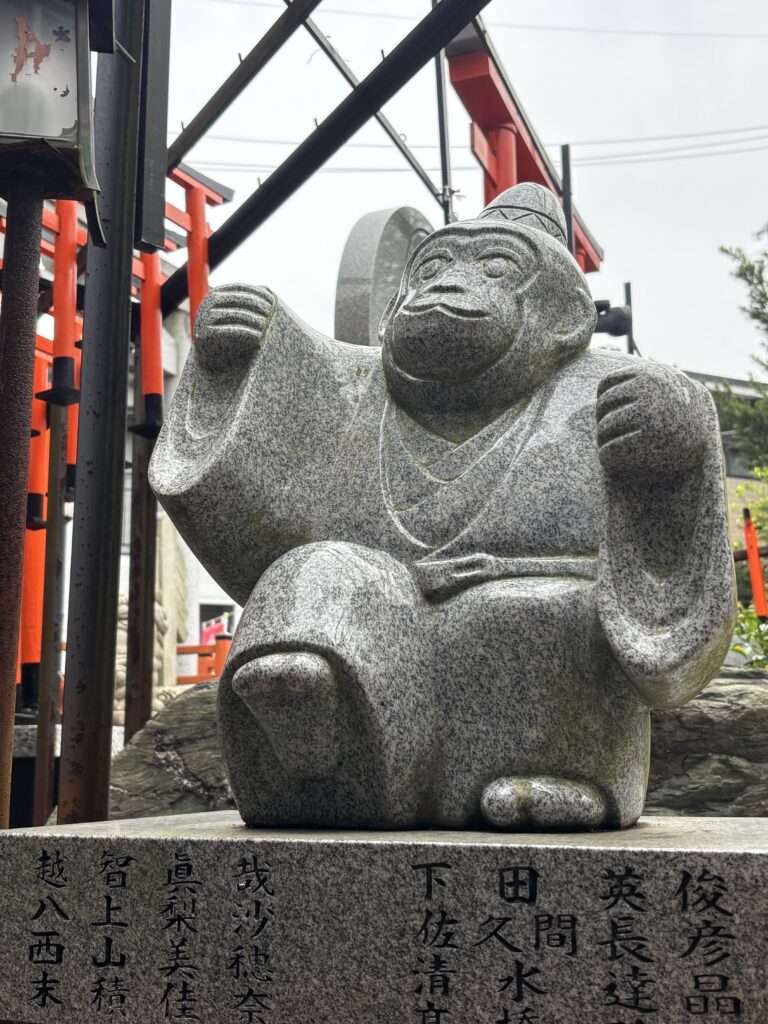
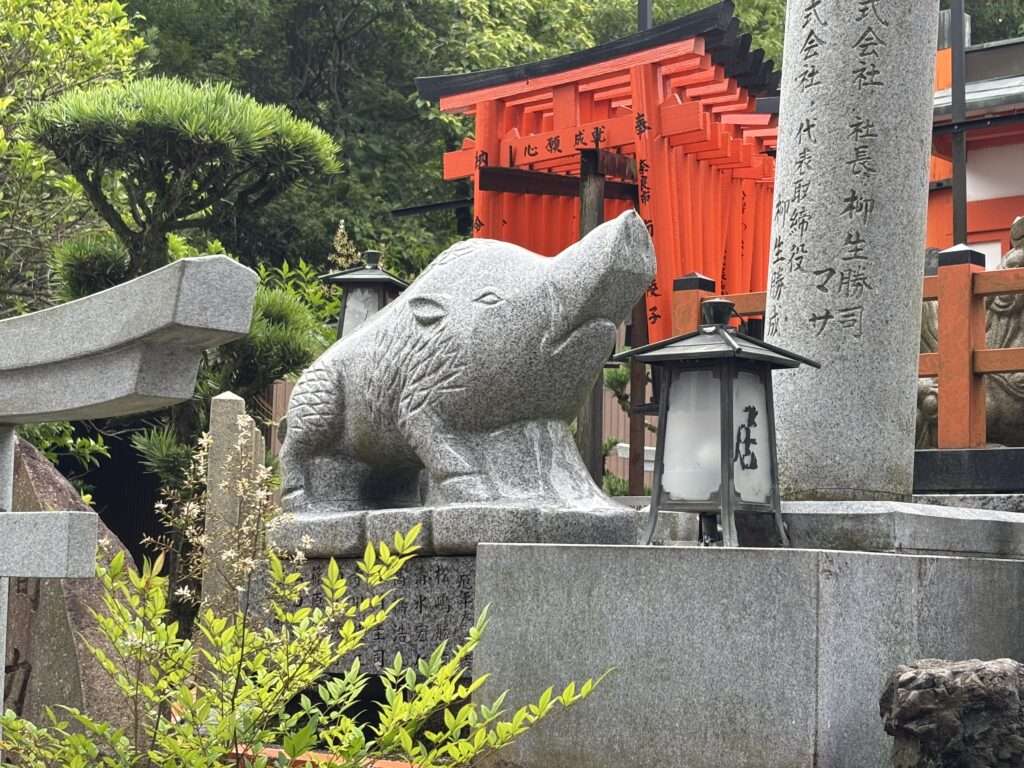
I arrived at Fushimi Inari at approximately 6:15 in the morning and had made the complete hike up and down the mountain by 8 am. The benefit of going so early in the morning is avoiding crowds and minimizing heat in the summer. The downside is that nothing is open while you are there. The shops at the base and along the path were all closed, as well as 3 somewhat rare goshuin locations on the path up the mountain. When I arrived at the base, the main shrine office still had not opened but there was a short line of people already waiting for the main shrine stamp. I decided that I didn’t want to leave without any stamps so I waited on the line for about half an hour to receive my goshuin. After that I headed back to the hotel… and had to wake up my still sleeping boys to have breakfast together.
The crowds can be intimidating at Fushimi Inari but it is an amazing site and should not be missed. Going in the morning or in the evening is ideal but if daytime is your only option, it is still worth it. Be patient as you head through the senbon torii and then just keep going. You will be rewarded with fewer crowds, allowing you to fully appreciate the unique scenery and beautiful views.
