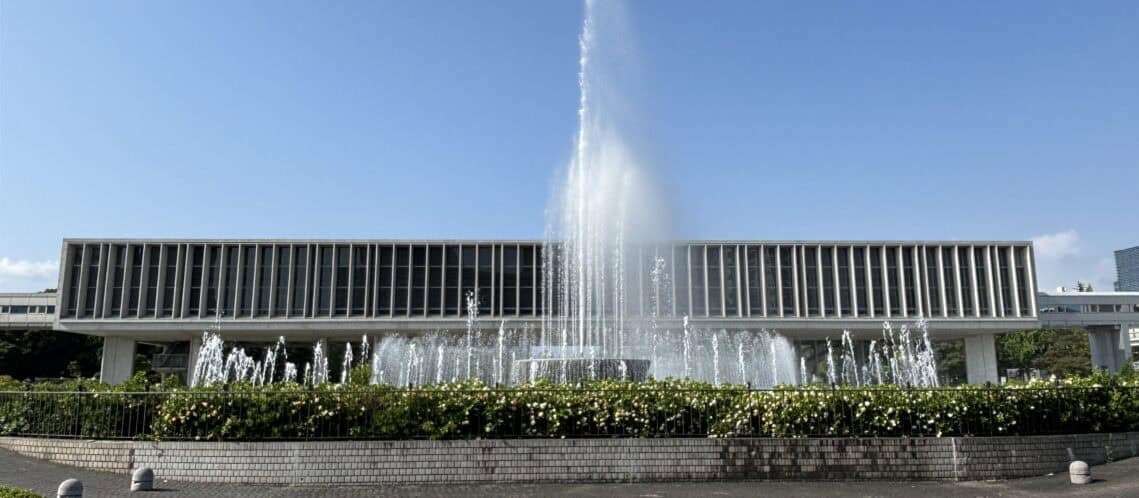
On August 6, 1945, the United States dropped an atomic bomb on Hiroshima, Japan. The first wartime use of a nuclear weapon was catastrophic to the people and city of Hiroshima. The Hiroshima Peace Memorial Museum is a tribute to the lives lost and forever changed that day, as well as a promotion of peace and a caution against the continued threat posed by nuclear weapons.
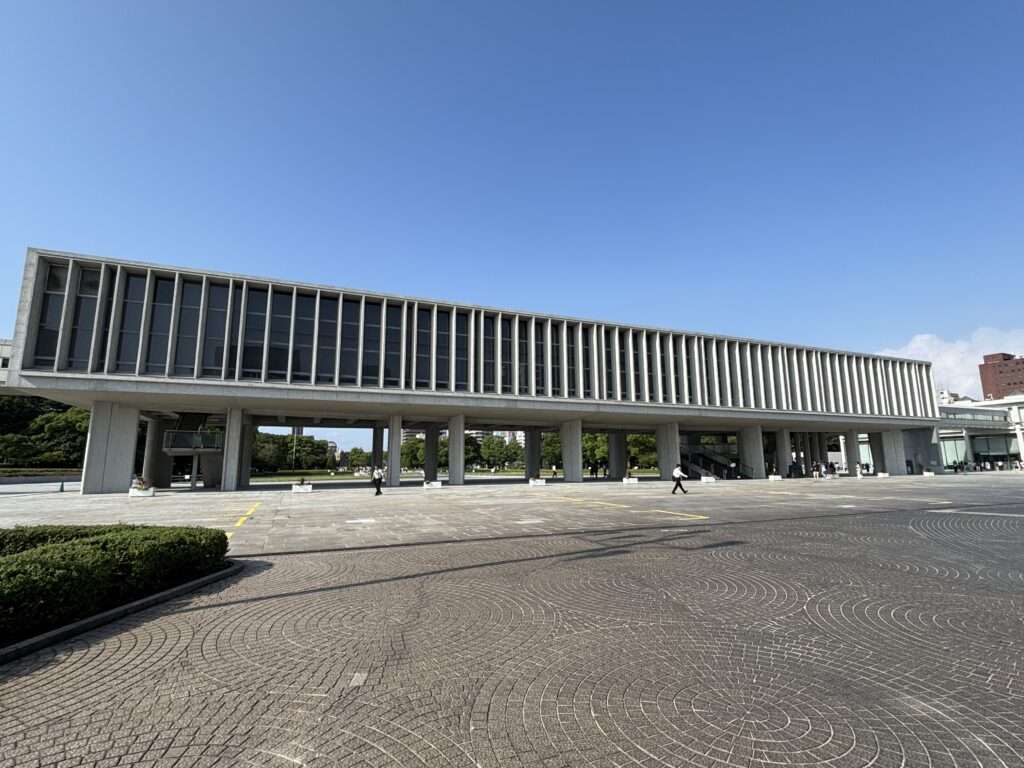
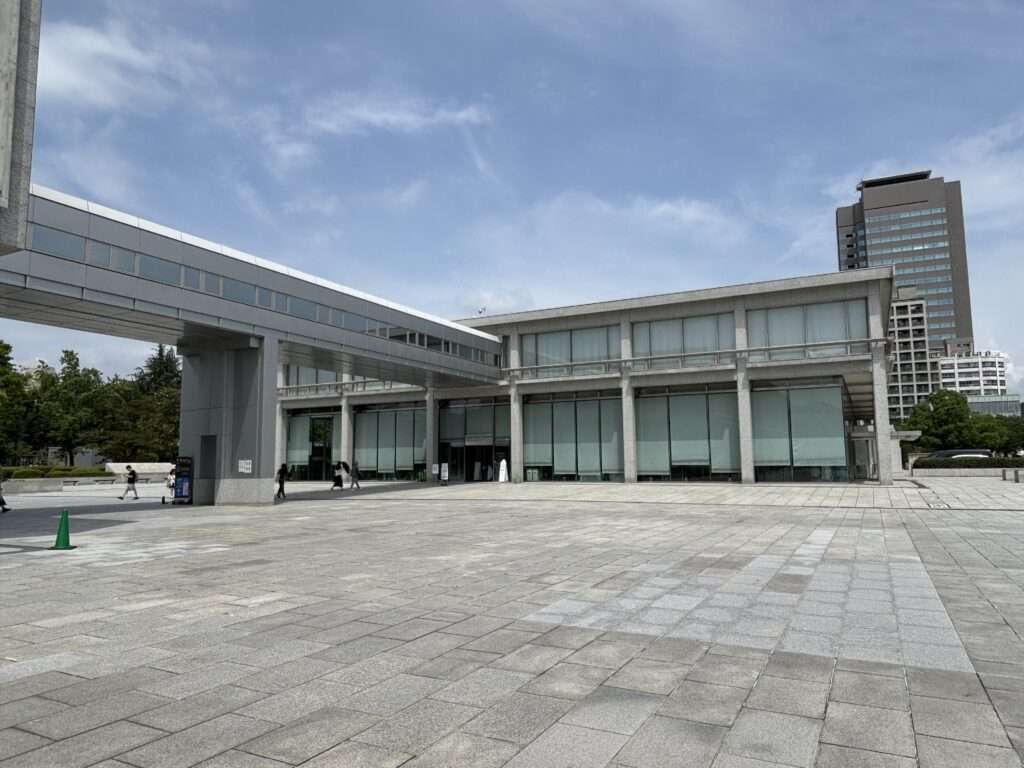
We purchased tickets ahead of time through Klook but it seemed largely unnecessary. It did save us a few minutes waiting on line to buy tickets but it doesn’t appear that they ever sell out of tickets. In fact, it seems as if the museum sells unlimited tickets, as evidenced by the wall to wall people inside. It was hot and uncomfortable at many points throughout the museum and there were few, if any, places to sit or get some air.
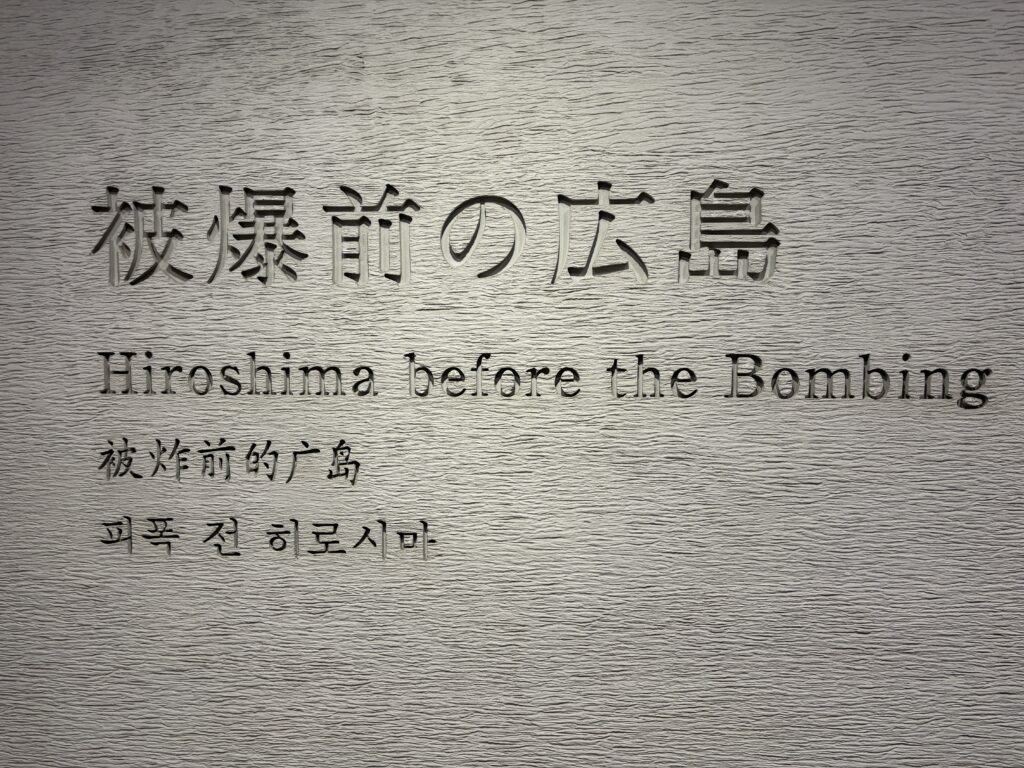
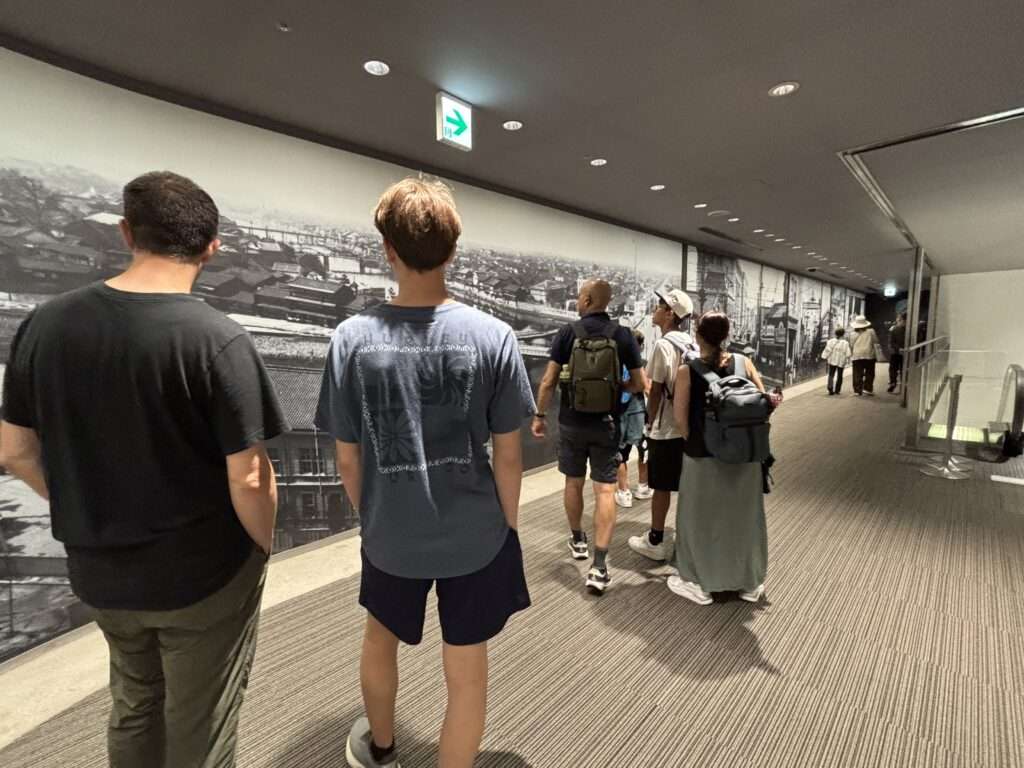
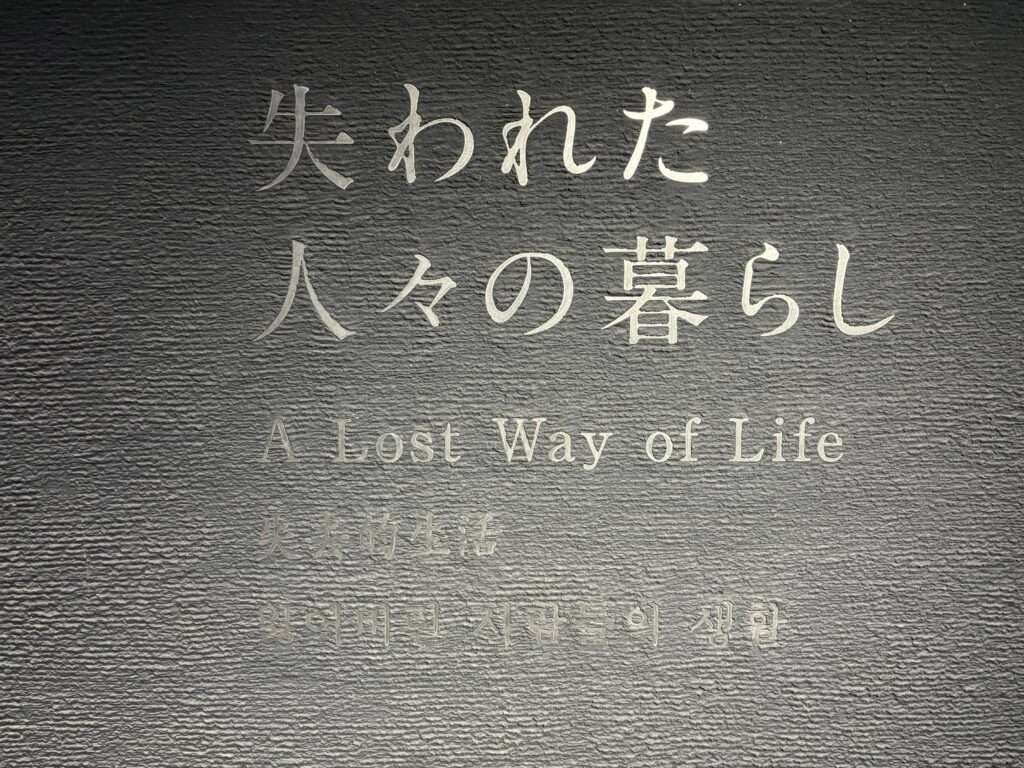
That being said, visiting the museum is such an important and moving experience that it is worth the relative discomfort of the crowds. The Introductory Exhibit on the 3rd floor of the East Building features floor to ceiling photographs of Hiroshima before the bombing. These photographs give way to the exhibit, A Lost Way of Life, that similarly displays huge panoramic photographs of the complete destruction of the vibrant city previously depicted.
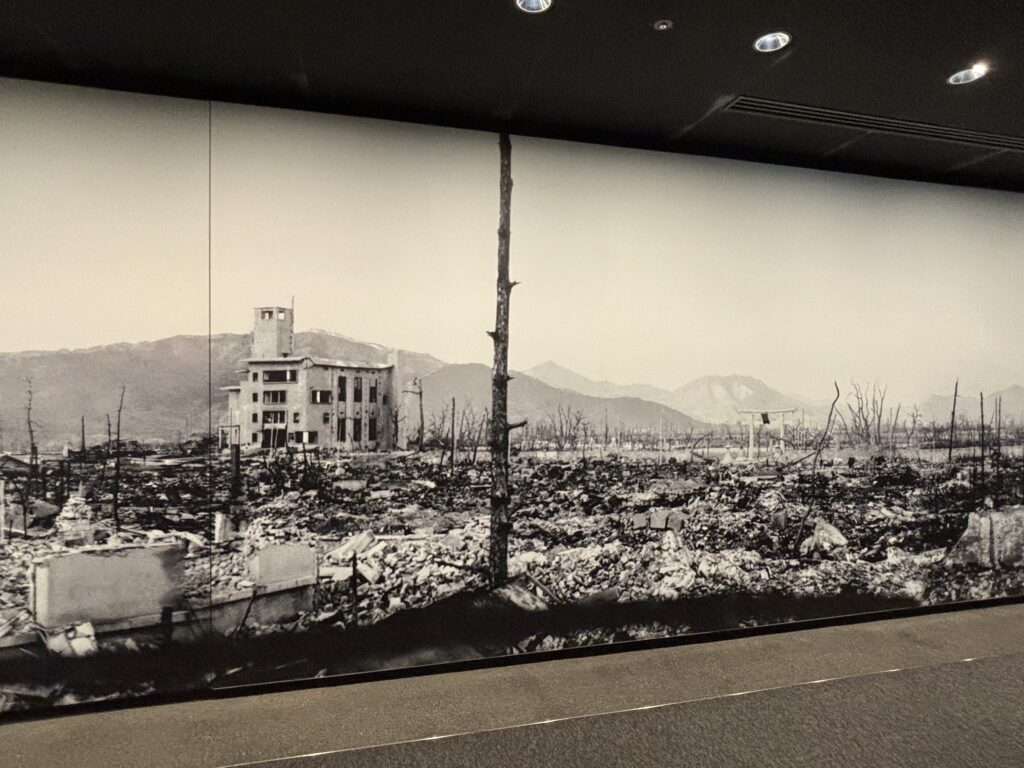
On the floor in the center of the room is a large diorama entitled “White Panorama”. Looking down on the circular projection, the bombing is recreated using CGI images based on US Army aerial photographs. Starting with overhead images of the city intact, a bomb suddenly drops in the sky and you watch in horror as it falls closer and closer to the city. The moment of impact is a blinding flash of white light, followed by a visible shock wave spreading through the city, followed by the explosion which created a fireball of unimaginable size and then a massive mushroom cloud. When the smoke clears, you see an aerial view of the complete destruction of the city. It is shocking and deeply disturbing. An entire city was wiped out in an instant.
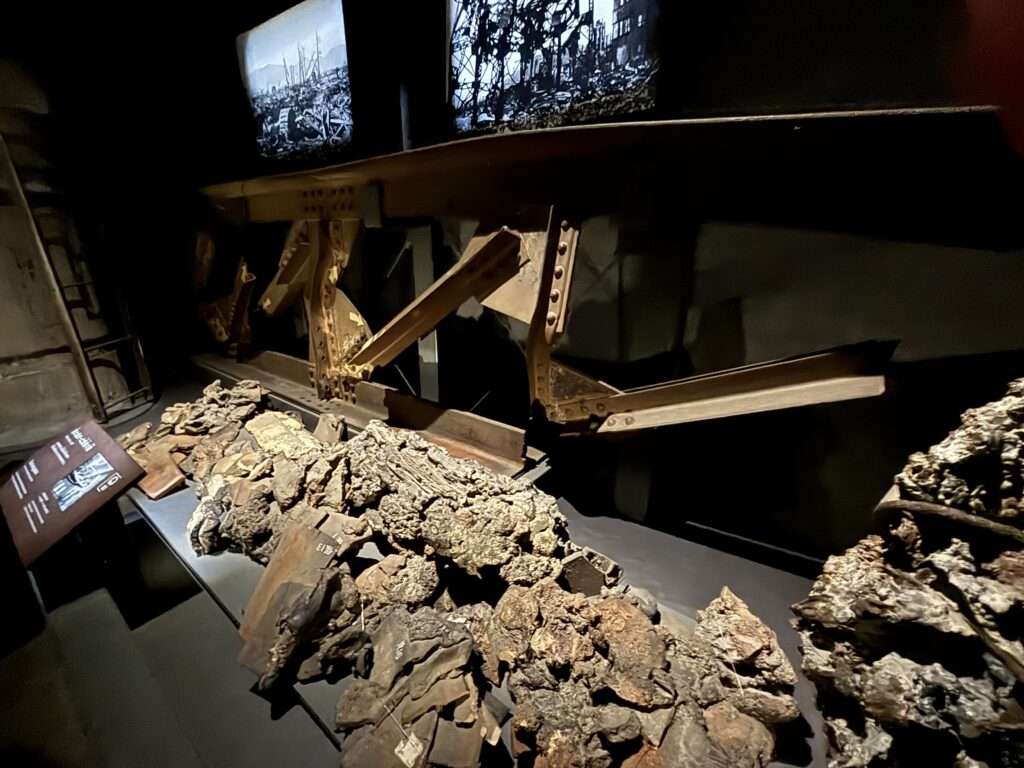
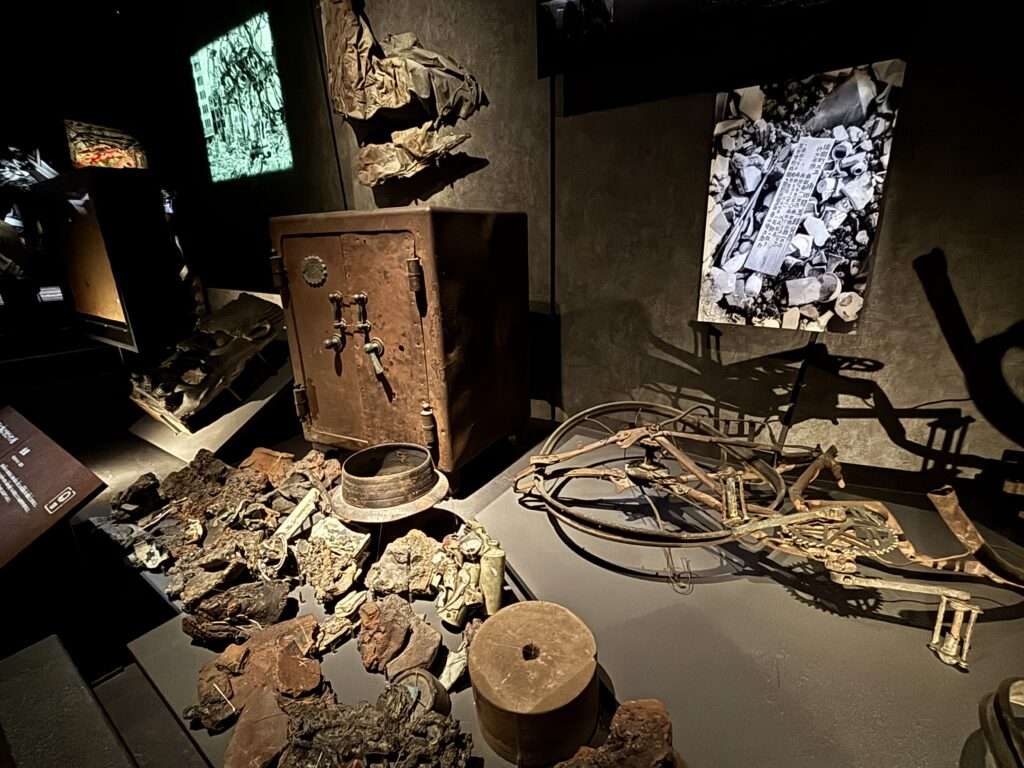
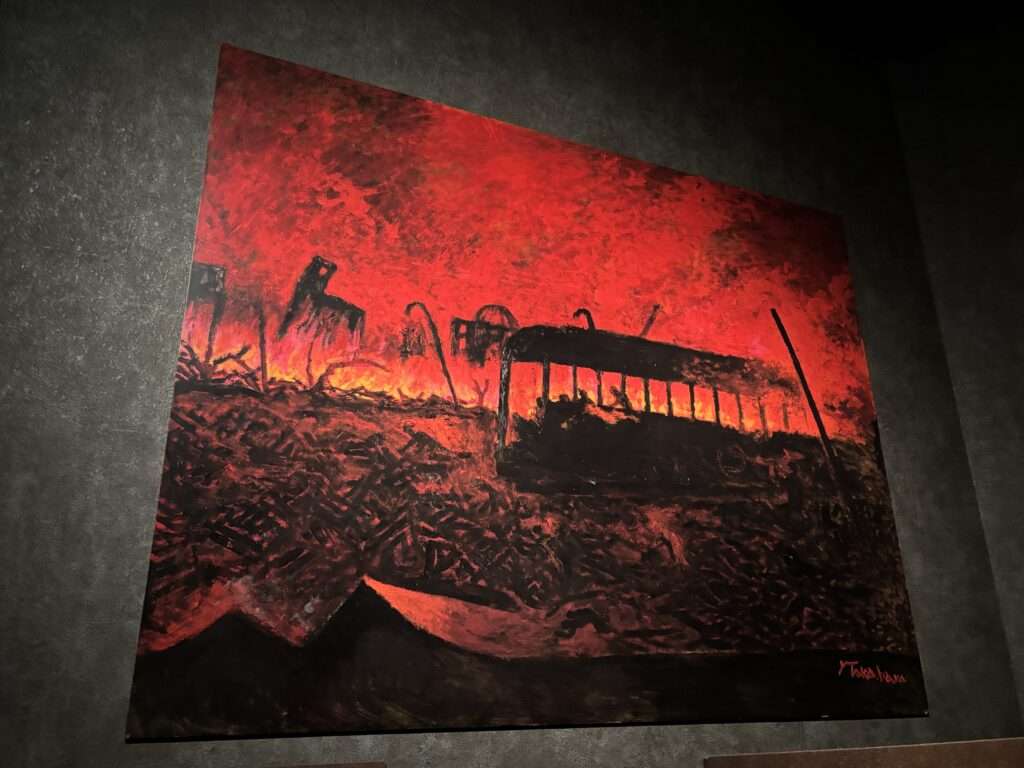
From the Introductory Exhibit, you cross over the walkway to the Main Building where the exhibits “Devastation on August 6” and “Victims and Survivors” use a combination of artwork, photography and artifacts to convey the horrors of that day. It is difficult to look at the images and artifacts and read the first hand accounts of the suffering. But it is important. This was not just the destruction of a military target. It was the instant destruction of 80,000 people and tens of thousands more in the hours, days and weeks that followed. It is hard to process but important to see.
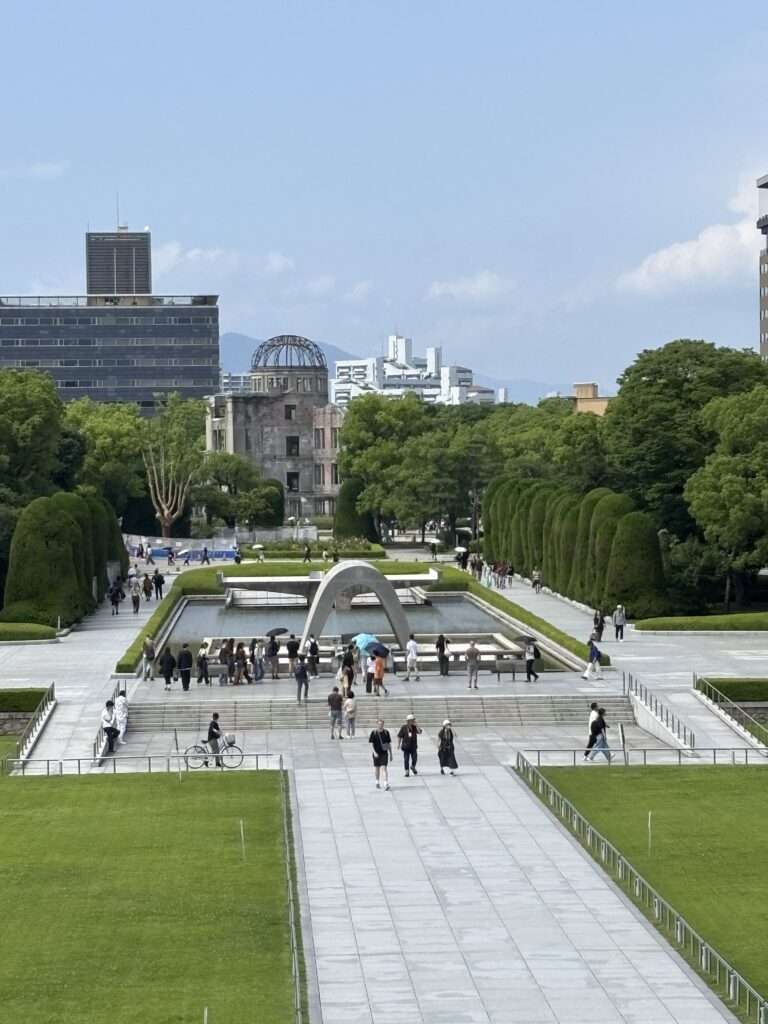
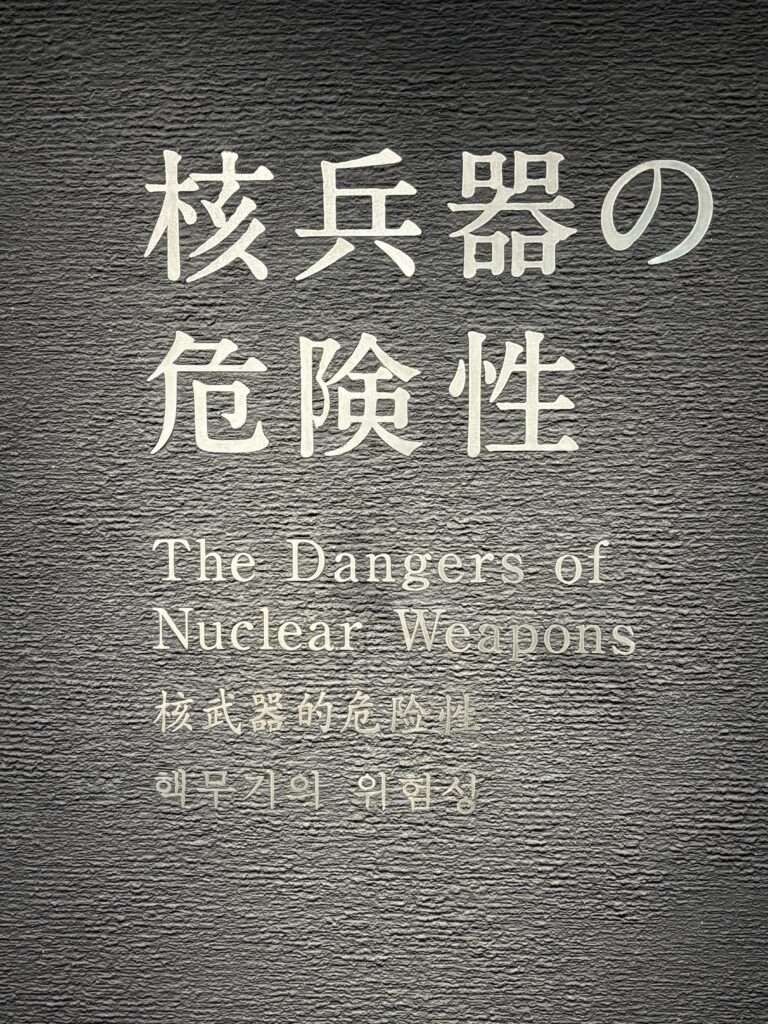
There is a walkway that takes you back to the East Building, and it offers an incredible view over the Peace Park and Atomic Bomb Dome. In the East Building there is an exhibit called “The Dangers of Nuclear Weapons”, which gives a history of the development of the atomic bomb, its use, its impact, and the proliferation of nuclear weapons since 1945. And it makes a poignant case for their abolition.
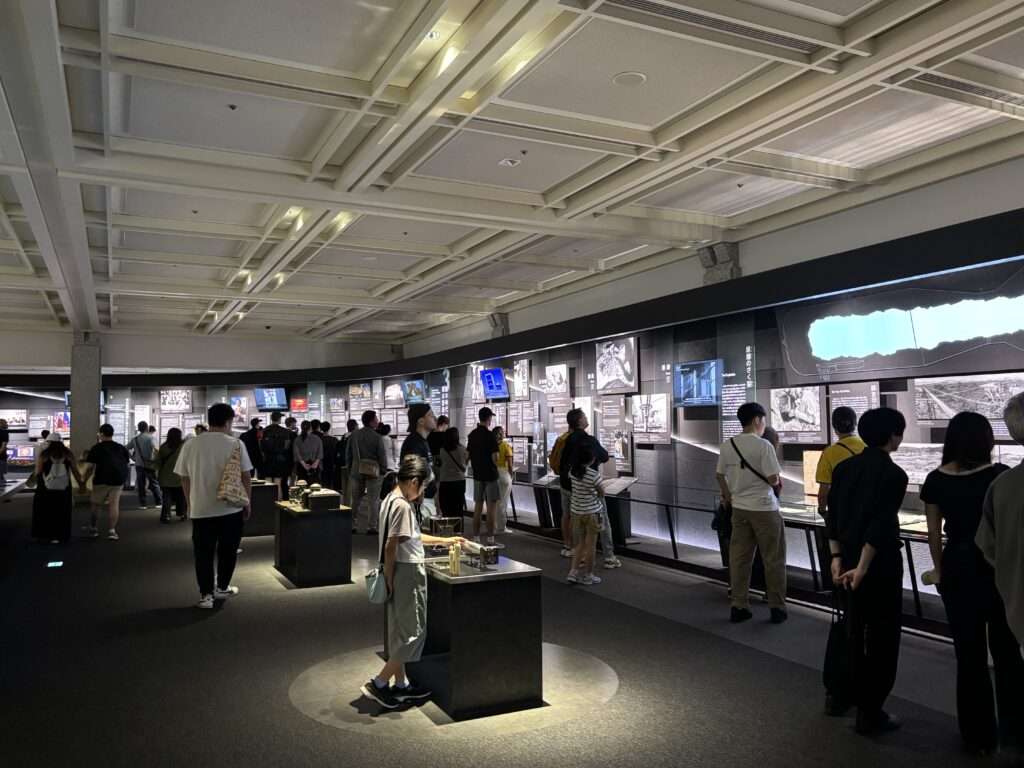
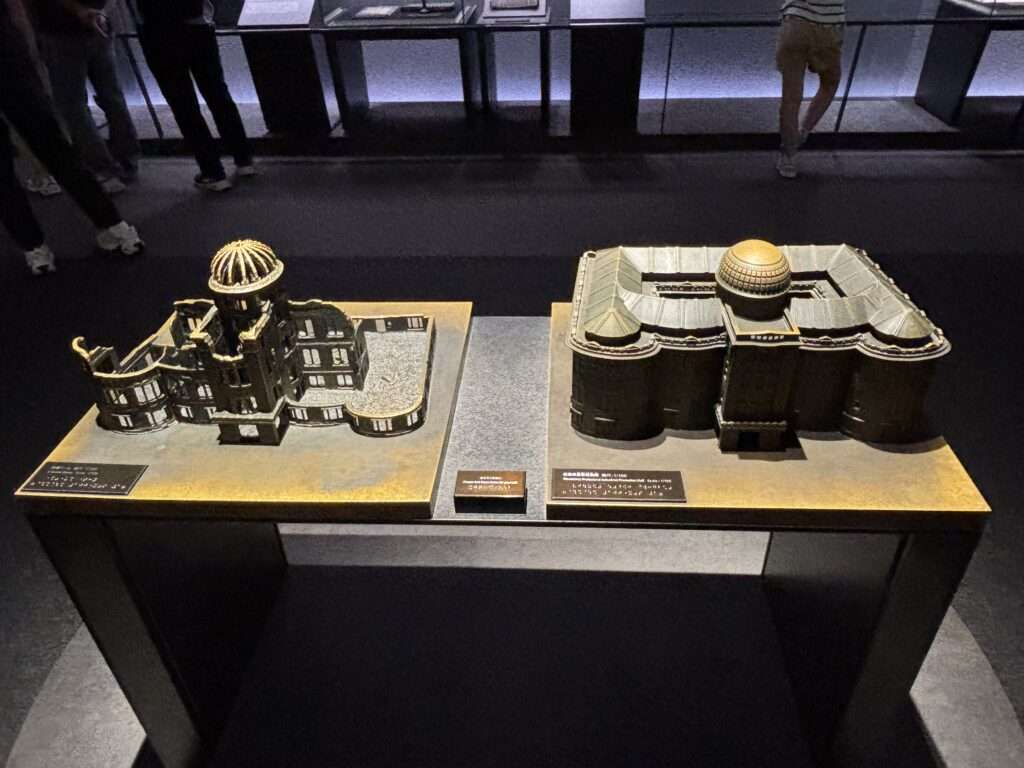
The final exhibit in the museum is called “Hiroshima History”. Following the city before, during and after the war, it tells the story of a resilient city that went through a complete reconstruction and became the world’s spokes-city for peace. The museum and city’s goal is to teach the world about the devastation of nuclear weapons and ensure that it never happens again.
