Fushimi Inari

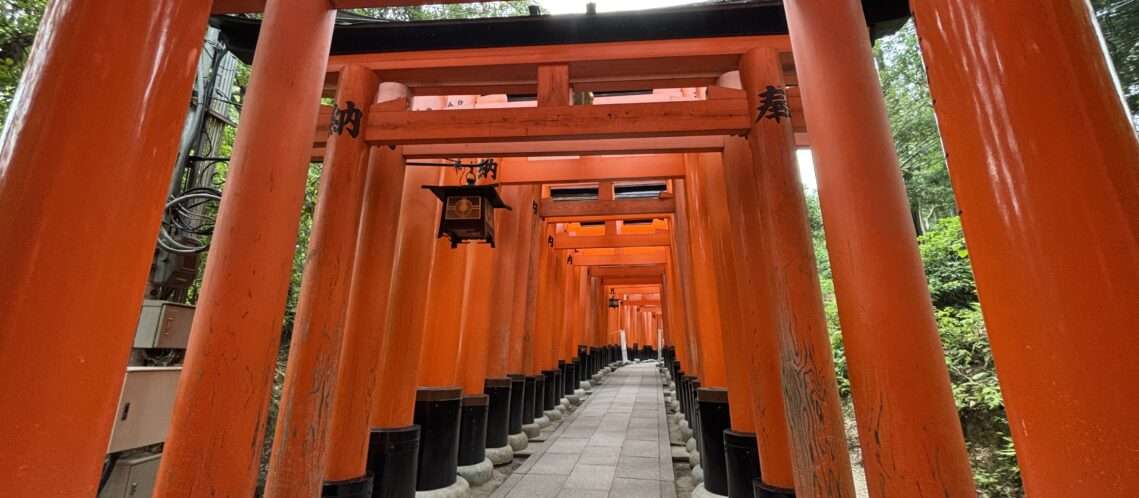
On our first full day in Kyoto, we had an e-Bike tour scheduled in the afternoon and nothing planned in the morning. Beyond that, we had a day planned in Arashiyama to visit the bamboo grove and the monkey park. The most obvious Kyoto highlight was missing from our itinerary – Fushimi Inari. One of Japan’s most iconic sites, Fushimi Inari is wildly popular because of its 10,000 torii gates. Lining the 2.5 miles of paths through the mountain, the vermillion gates are one of the most photographed sites in Japan. And that means that something else is lining the …

Continue Reading

Miyajima Island Deer

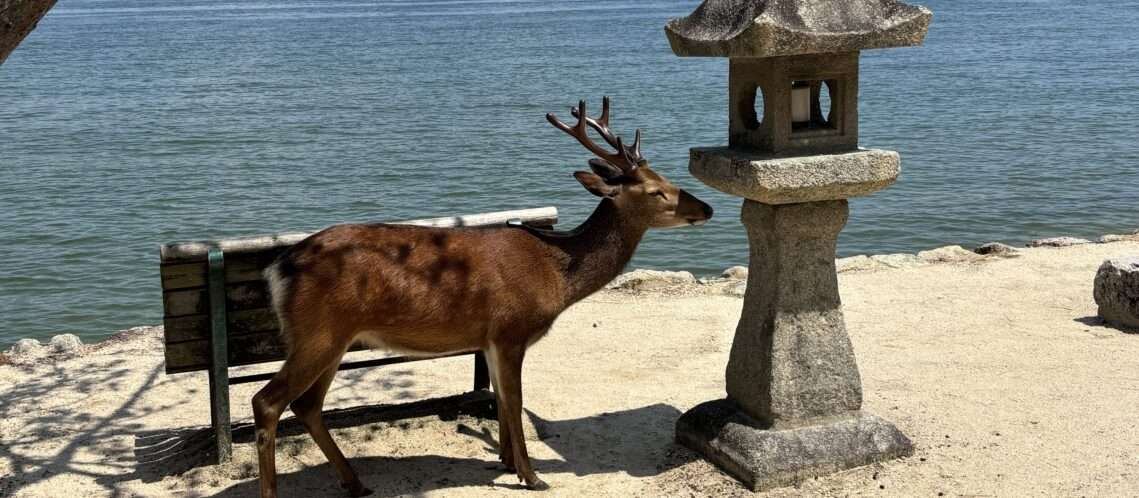
Miyajima Island (formally known as Itsukushima) is located in Hiroshima Bay and best known for UNESCO World Heritage Itsukushima Shrine and its floating torii gate. But the island is also well known for some of its residents – the wild Sika deer. In Shinto religion, deer are considered sacred messengers of the gods. In Japan, the deer are most famous in Nara, a city about 45 minutes outside Kyoto and Osaka. Legend has it that in the 8th century the great Shinto deity Takemikazuchi-no-mikoto arrived in Nara riding a white deer. He was enshrined in Kasuga Temple in 768, and …

Continue Reading

Itsukushima Shrine

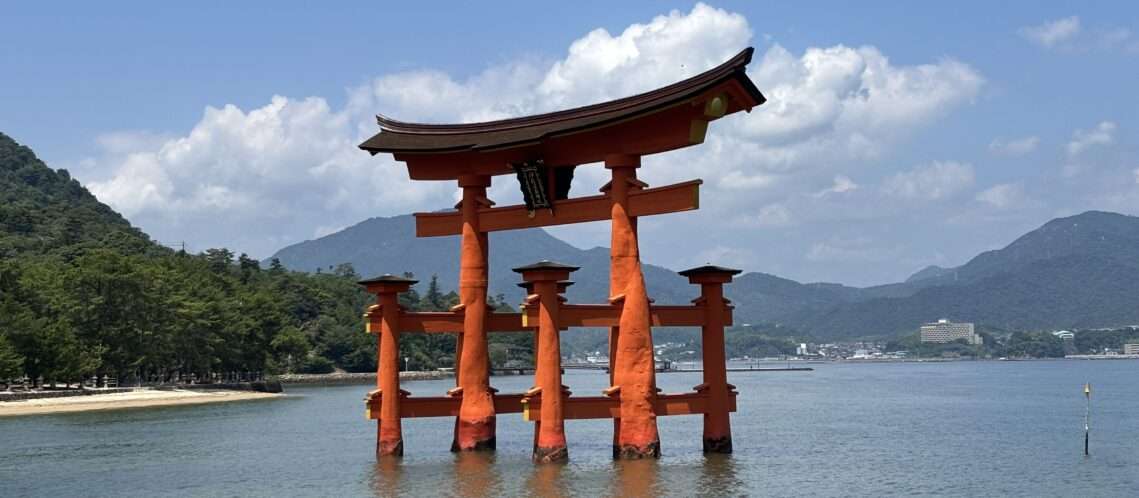
Fresh off our half-hearted attempt to summit Mount Misen, we got some drinks and snacks and then headed to the very sea-level Itsukushima Shrine. Its floating torii gate is one of the most recognizable landmarks in Japan. At high tide, the vermillion gate seems to float in the middle of the water, a stunning site with the mountains in the background. When we arrived on the island, it was close to high tide and we experienced the gate in its “floating” state. When we returned from our visit to Daisho-in Temple, it was low tide and the gate was standing …

Continue Reading

Daisho-in Temple

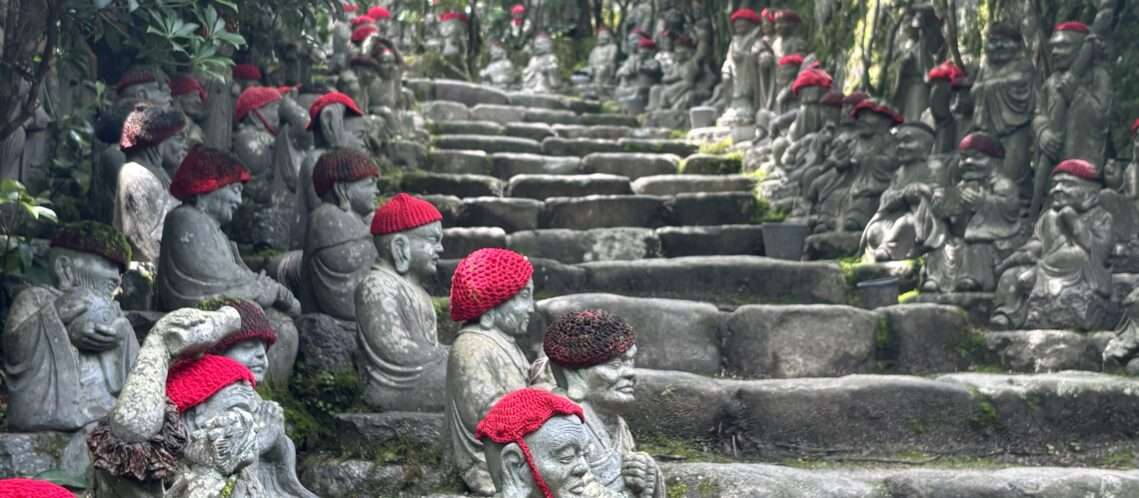
When we learned that the Miyajima Ropeway was closed for repairs, we knew that if we wanted to see the views from the top of Mount Misen, we would have to get there the old fashioned way… on our own two feet. We decided that we would take the Daisho-in Course up and then most likely the Omoto Course back down. So we headed to the start of the Daisho-in trail, which just happens to be at the Daisho-in Temple. We soon reached the ornately carved wooden Niomon Gate, with its two Nio guardians (Agyo and Ungyo). As seen in …

Continue Reading

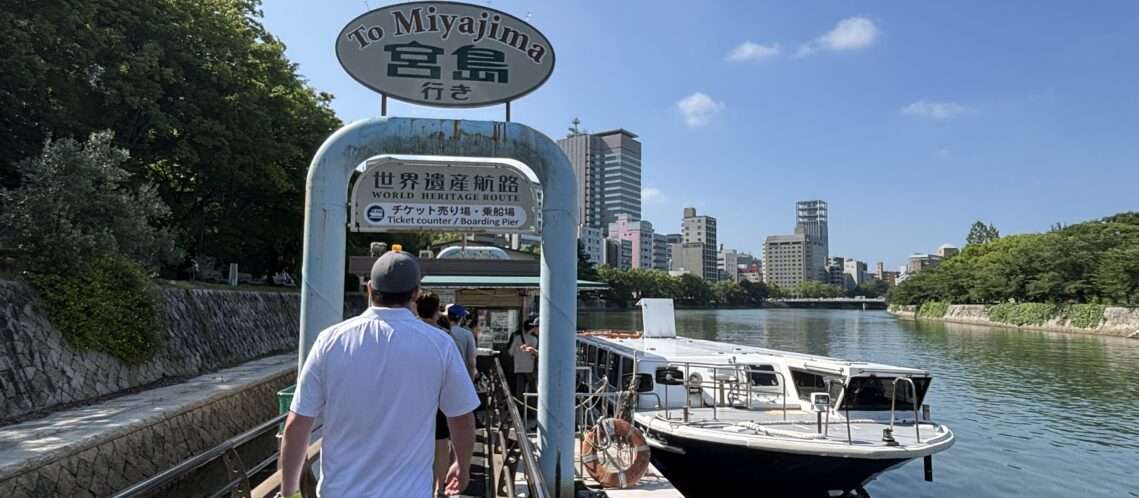
World Heritage Sea Route

There are two ferries from Hiroshima to Miyajima. The first is the JR West Miyajima Ferry, which leaves from the Miyajimaguchi Ferry Port in the city of Hatsukaichi, just outside of Hiroshima. The ferry itself is only a 10 minute ride to Miyajima but it takes about 30 minutes to get to the port from Hiroshima Station (plus however long it takes you to get to Hiroshima station). The ferry costs ¥200 each way and is covered by the Japan Rail Pass and several regional JR passes. The ferries are large, with a capacity of 800 people, and essentially offer …

Continue Reading

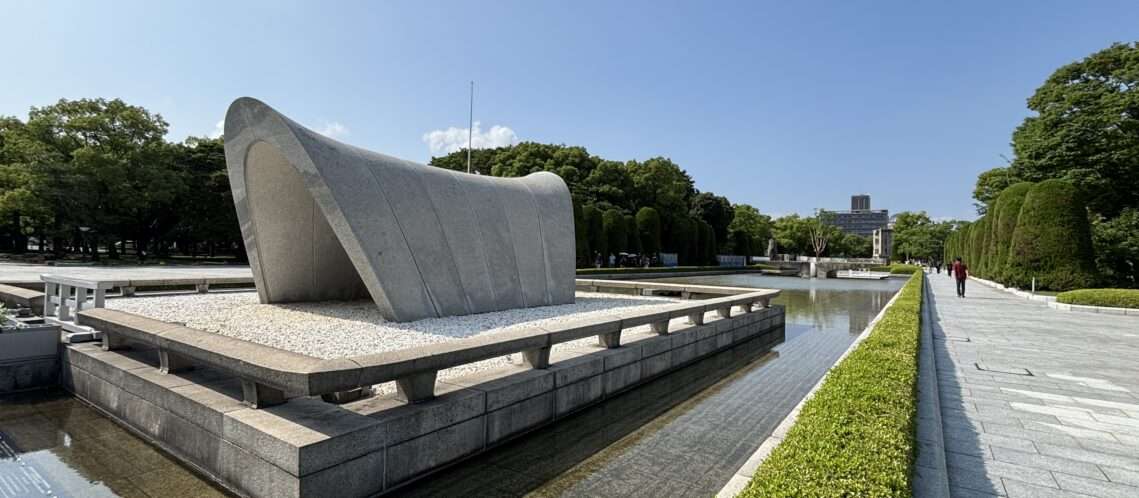
Peace Memorial Park

Visiting the Hiroshima Peace Memorial Museum was a moving and upsetting experience. It is so important to see the horrors caused by nuclear weapons but it is understandably difficult to do so. While the museum mainly functions as a historic record of the horrific event and serves as a caution against future events, the Peace Memorial Park is primarily there to honor the memory of the victims of the nuclear attack. The museum is obviously the cornerstone of the park but there are several important memorial sites spread throughout the park. Immediately behind the museum is the Cenotaph for the …

Continue Reading

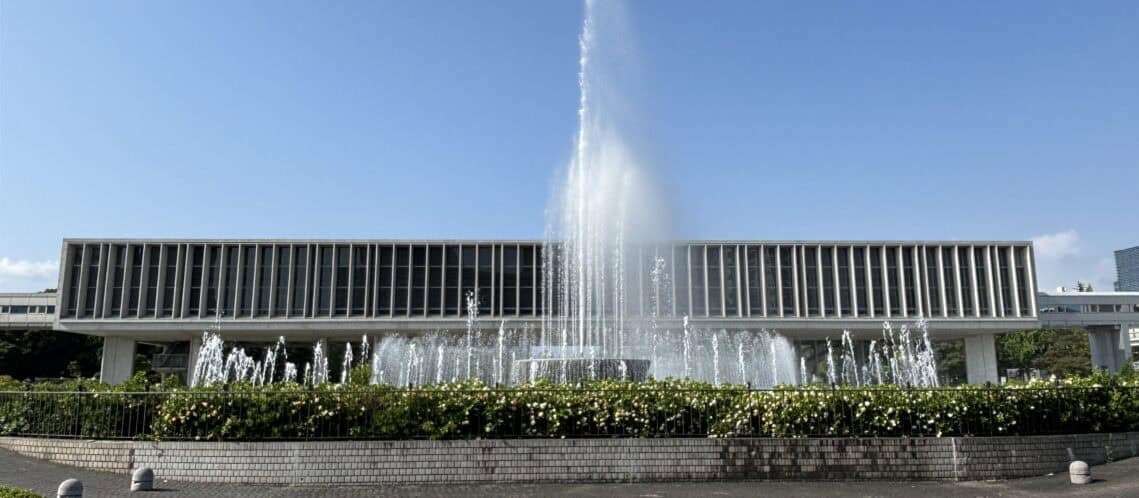
Hiroshima Peace Memorial Museum

On August 6, 1945, the United States dropped an atomic bomb on Hiroshima, Japan. The first wartime use of a nuclear weapon was catastrophic to the people and city of Hiroshima. The Hiroshima Peace Memorial Museum is a tribute to the lives lost and forever changed that day, as well as a promotion of peace and a caution against the continued threat posed by nuclear weapons. We purchased tickets ahead of time through Klook but it seemed largely unnecessary. It did save us a few minutes waiting on line to buy tickets but it doesn’t appear that they ever sell …

Continue Reading

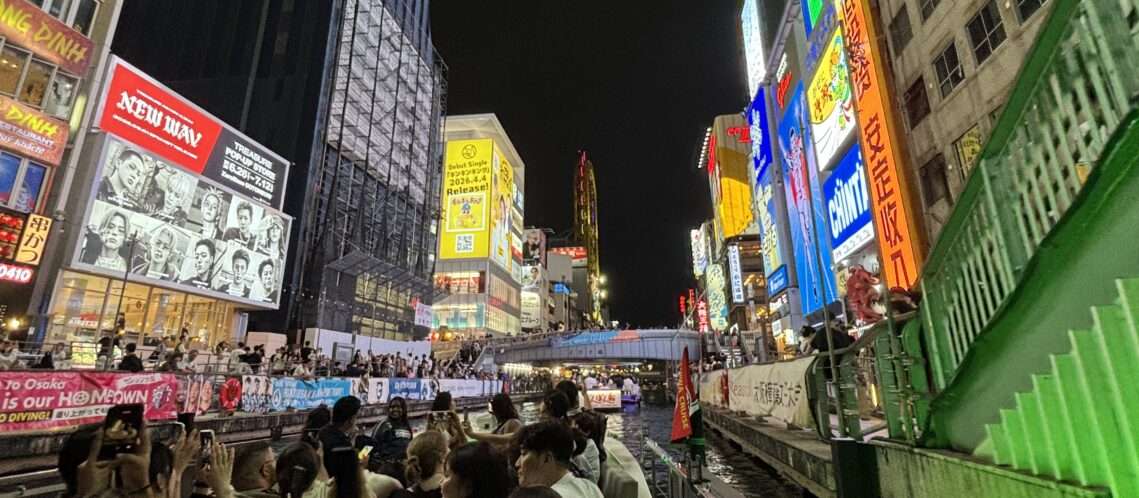
Tombori River Cruise

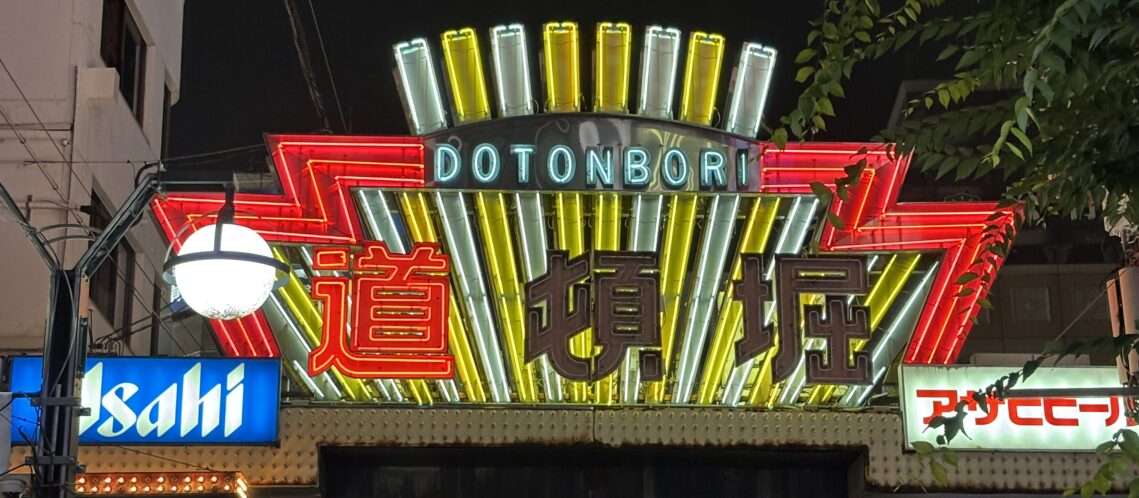
One of the best ways to see the neon signs of Dotonbori is to take a river cruise. The 20 minute scenic boat ride provides a unique perspective of the famous district. There are a few different companies offering river cruises and we hopped on the line for the first one we saw. Since we arrived in Dotonbori at the Shinebisu Bridge, we just went down to river level and walked west to the boarding point for Naniwa Cruise just west of the bridge. The boats leave every 30 minutes so we paid the ¥2,000 per person and boarded the …

Continue Reading

Dotonbori

Perhaps the best known destination in Osaka, Dotonbori is a hub of dining and entertainment activity. Dotonobori has two main areas to explore – the waterfront promenade that runs on both sides of the Dotonbori River and Dotonbori-dori, the pedestrian street that runs parallel to the canal a block off its northern bank. Both feature restaurants, shops, street food, mechanical storefront signs, and a ridiculous number of neon billboards. Similar to Times Square in New York, Dotonbori is bright, busy, and can be overwhelming. On the surface it appears to be a love it or hate it situation, but I …

Continue Reading

Osaka Castle

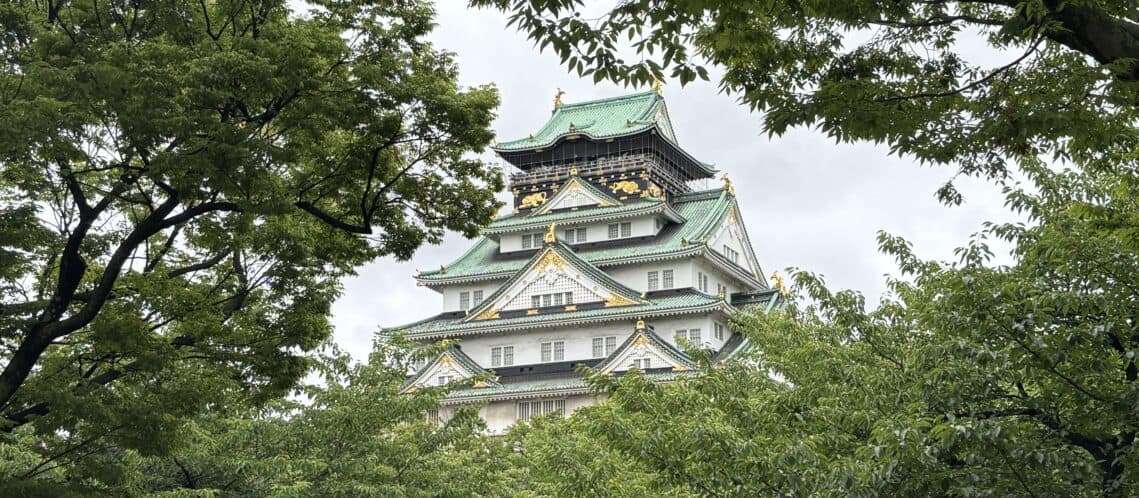
It started raining a little more heavily while we were at Namba Yasaka Shrine so we decided to kill some time indoors before heading to our next stop. My oldest is an avid vinyl collector and had scoped out some record shops to check out. While he and my husband were browsing in a few shops, my youngest and I left to explore a little and eat some lunch. The rain lifted while we were eating, and we all met back up at Namba Station to go to the castle. We split up again though, with my oldest and I …

Continue Reading