After two days of on-the-water adventures, we decided to take a beach day. While Key West has incredible turquoise blue waters, the beaches themselves leave a little something to be desired. The amazing coral reef that surrounds the island blocks the ocean’s waves and keeps sand from washing up on shore and creating beaches. While there are no naturally occurring beaches, Key West has several man-made beaches.
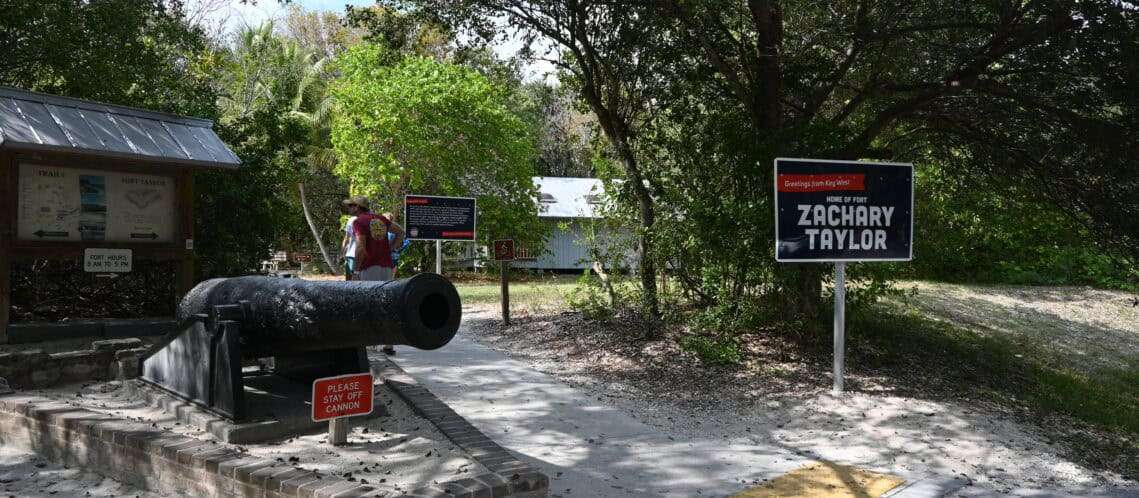
The beach at Fort Zachary Taylor State Park is widely recognized as the best beach in Key West. There is a fee to enter the state park – $6 per vehicle plus 50 cents for every passenger. Once inside the park, you have access to the beaches, trails, and fort and can participate in numerous activities, including snorkeling, kayaking, fishing and birding.
We rented golf carts for a portion of our stay and used them to get to the state park. Although it is accessible on foot or by bike, it is quite a long, hot trip to get there so I recommend taking an Uber if you don’t have access to your own vehicle.
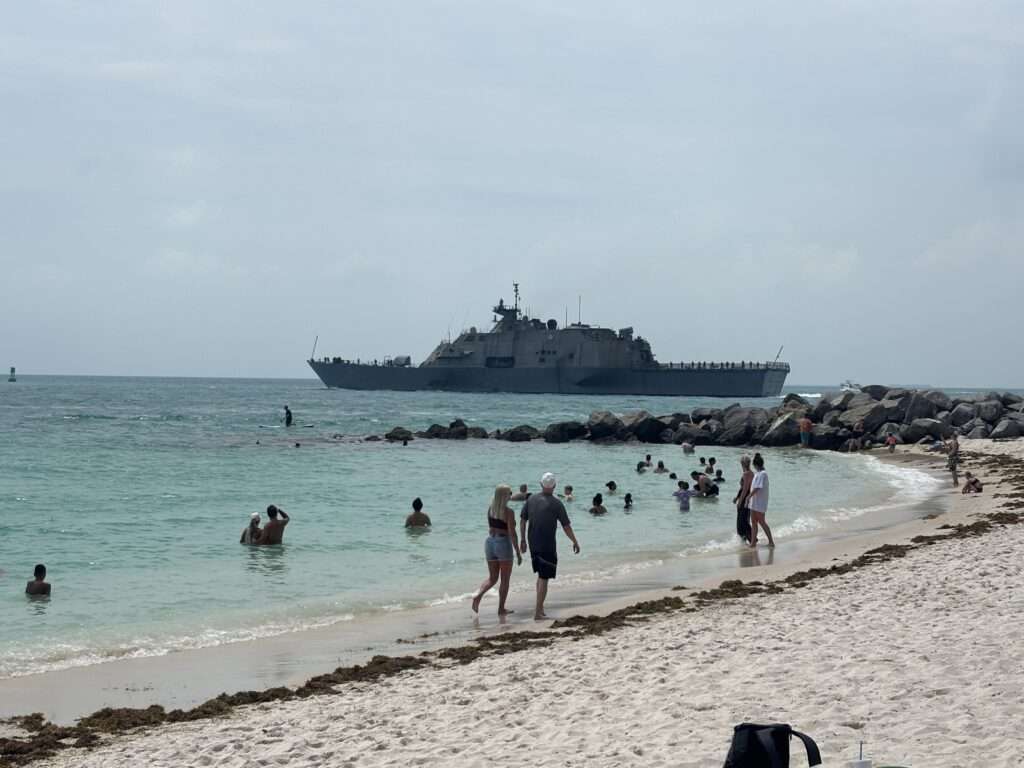
We headed to the furthest parking lot in the park, which had easy access to the beach and a great shady area with picnic tables. The edge of the park is L shaped, with one side featuring the beach and the other a rock jetty that you could fish from. The kids immediately hit the beach and the water, although we all stopped what we were doing and stared when a giant navy ship sailed past.
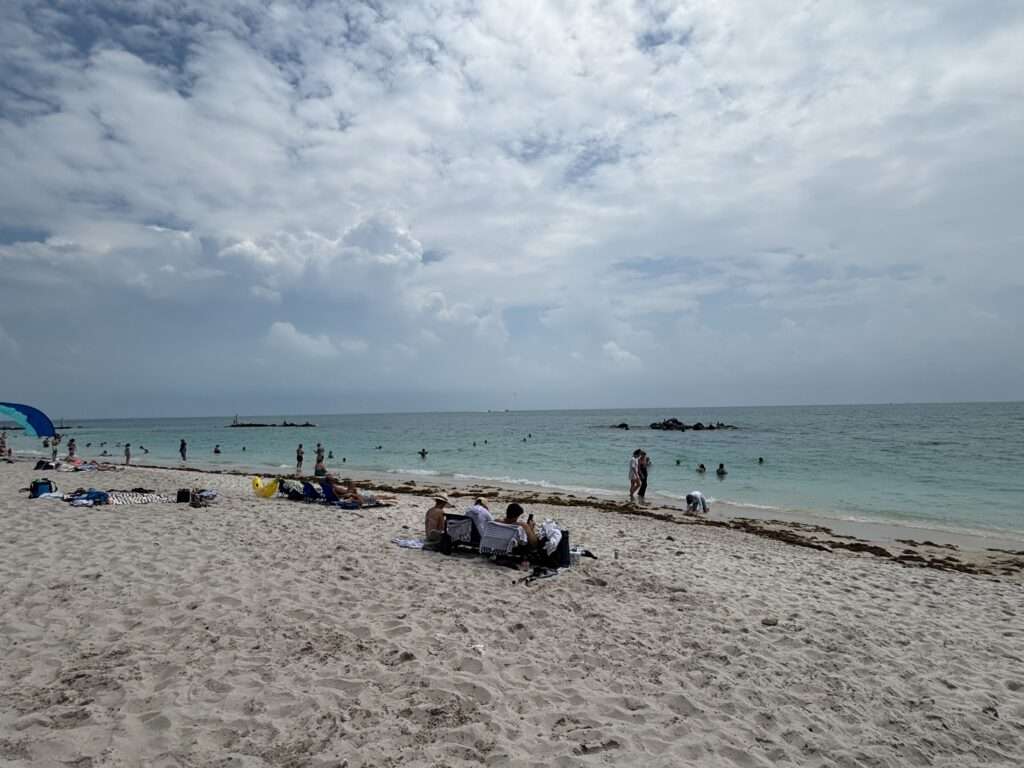
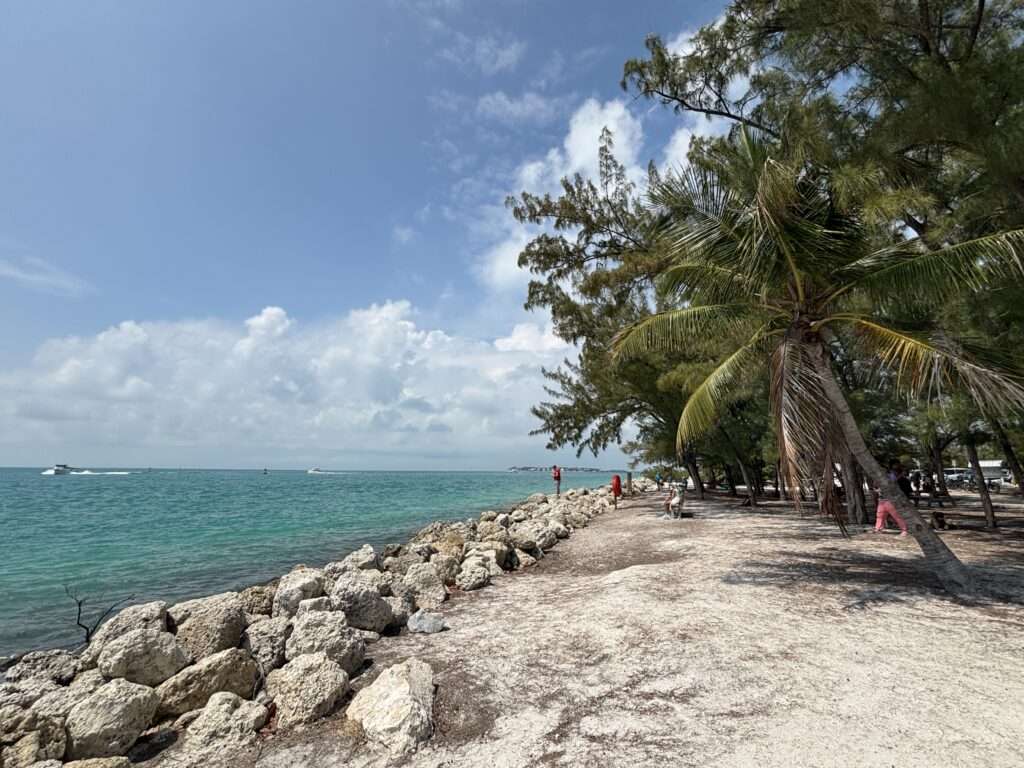
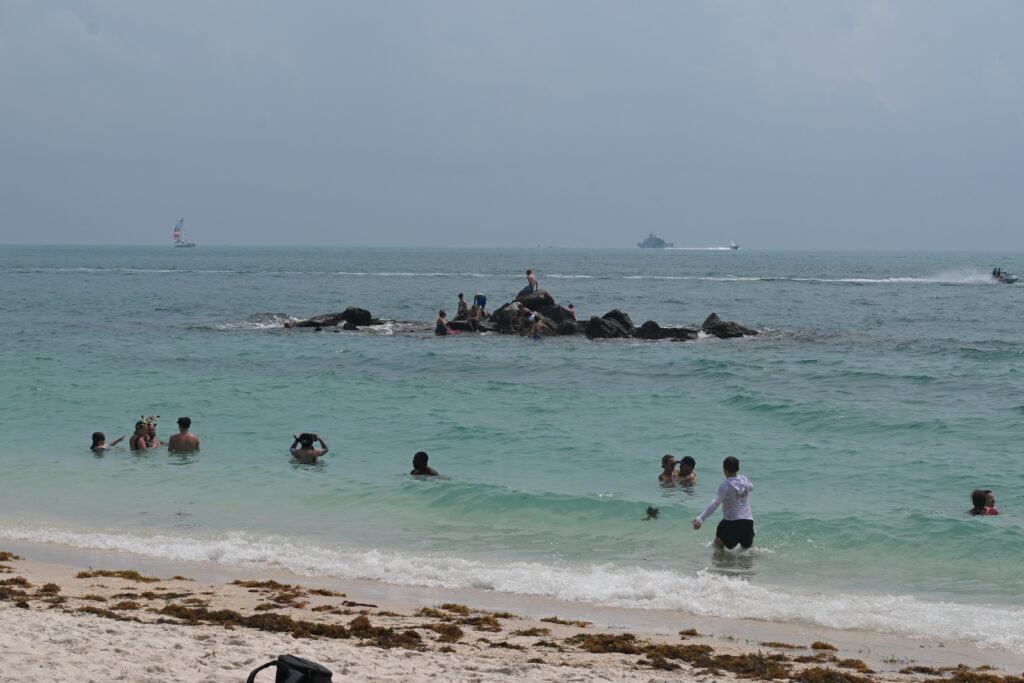
The kids swam out to the rocks and had fun climbing on them and looking in the crystal clear water. They took turns with snorkel masks and checked out all the fish swimming around. They also had fun playing paddle ball on the beach and throwing the frisbee. Overall they were undeterred by the rocky man-made beach and we had a great beach day.
The fort closes at 5:00 so we left early enough that we could stop by on the way out. Work started on the fort in 1845 and lasted 21 years. In 1850, President Zachary Taylor died in office and the fort was named in his honor. During the Civil War, the Union controlled the fort and used its strategic position (and numerous cannons!) to blockade Confederate supply ships.
The fort was called into action again during the Spanish-American War and then underwent several major renovations in the decades that followed. During an 1898 renovation, the Civil War-era cannons and armaments were both buried and used as wall reinforcements. They were excavated 70 years later and determined to be the largest collection of Civil War cannons, helping to lead to the fort’s eventual designation as a National Historic Landmark.
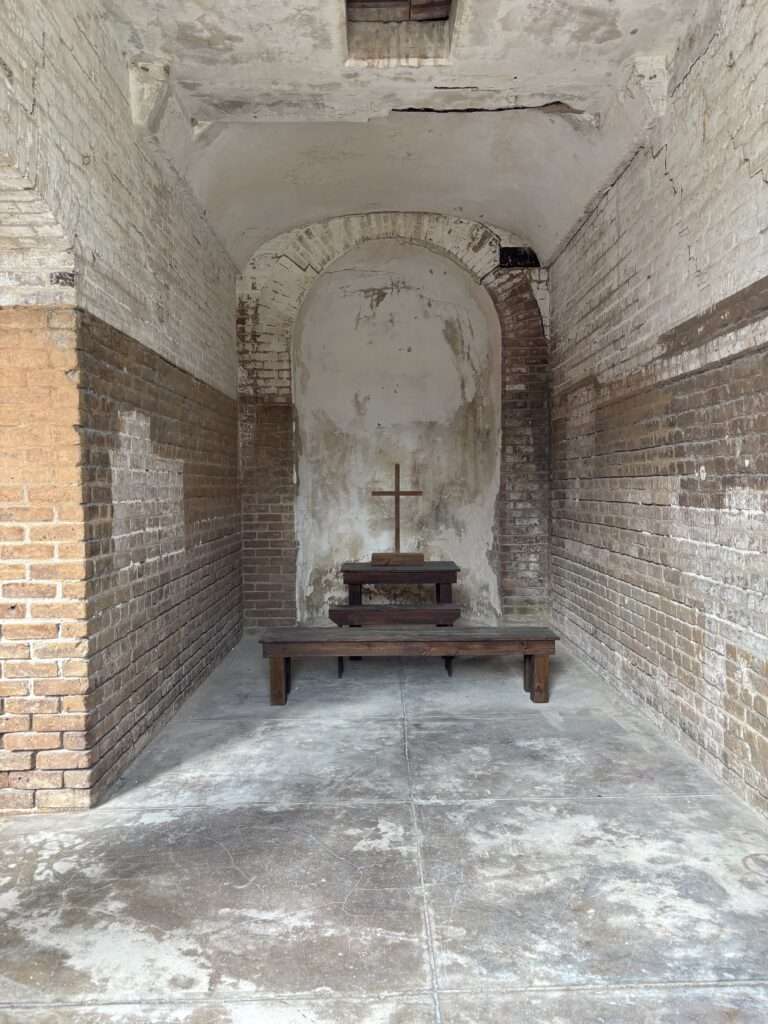
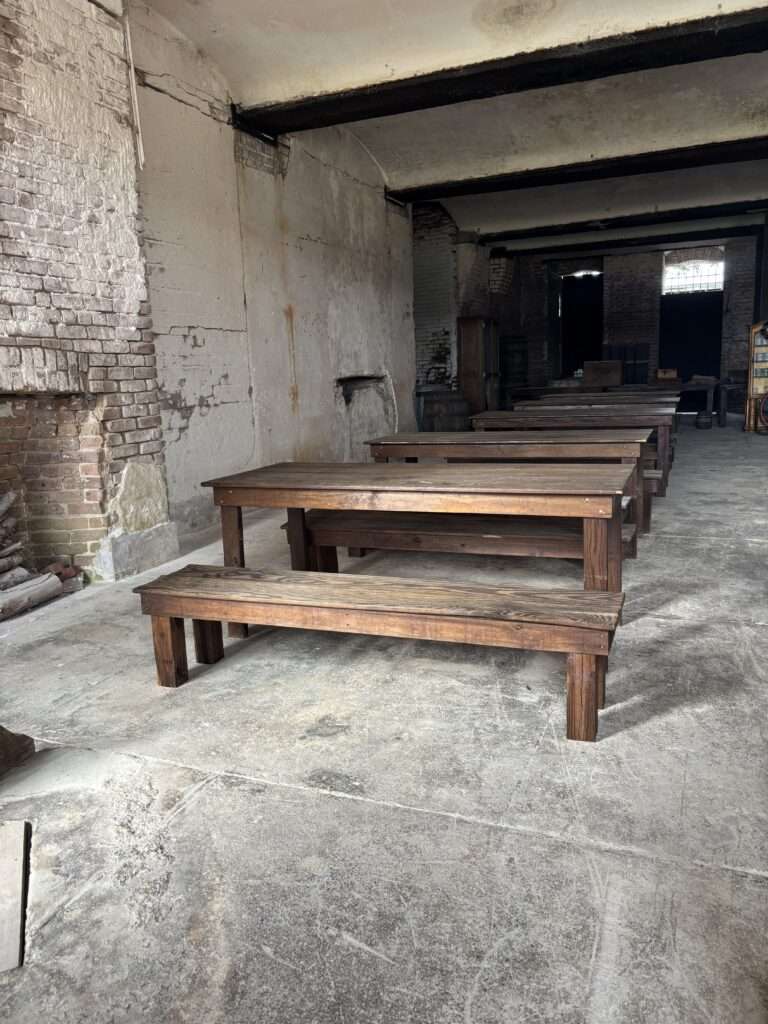
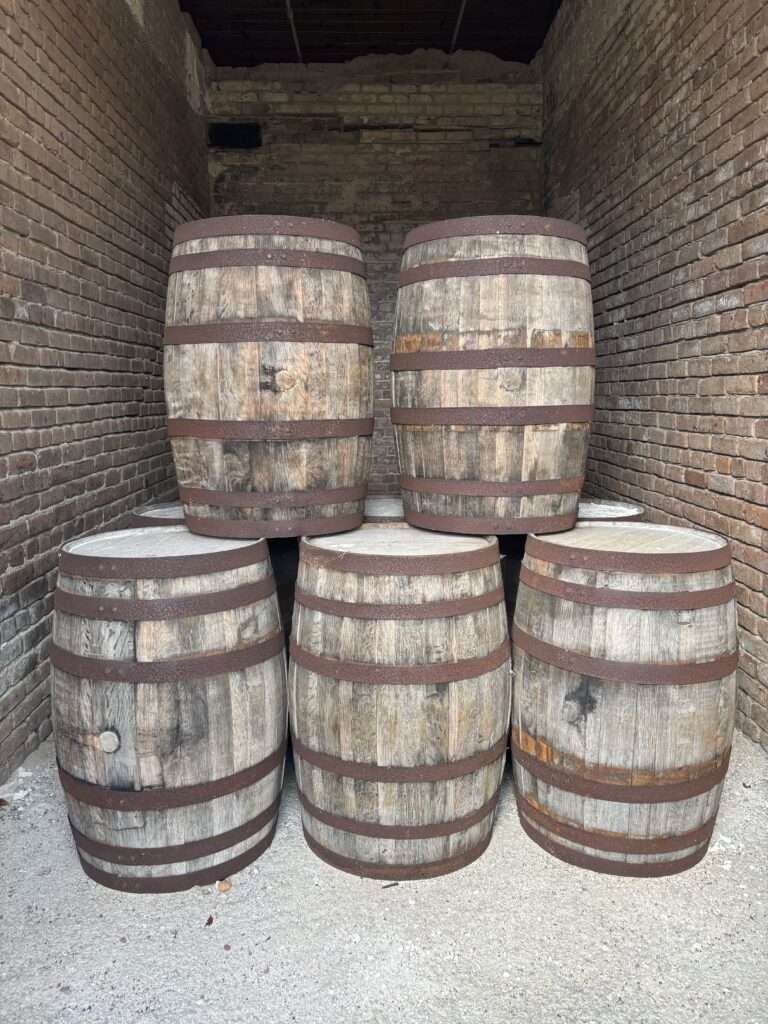
After a short walk from the site entrance, we entered into the central grassy area of the fort with the buildings surrounding us in a trapezoid. There are stairs at opposite ends of the fort that give you access to the roof and expansive views. One side of the fort features the barracks, a series of rooms that you could see into through windows or archways. From a chapel to the mess hall, the rooms offered a peek into life at the fort a century and a half ago.
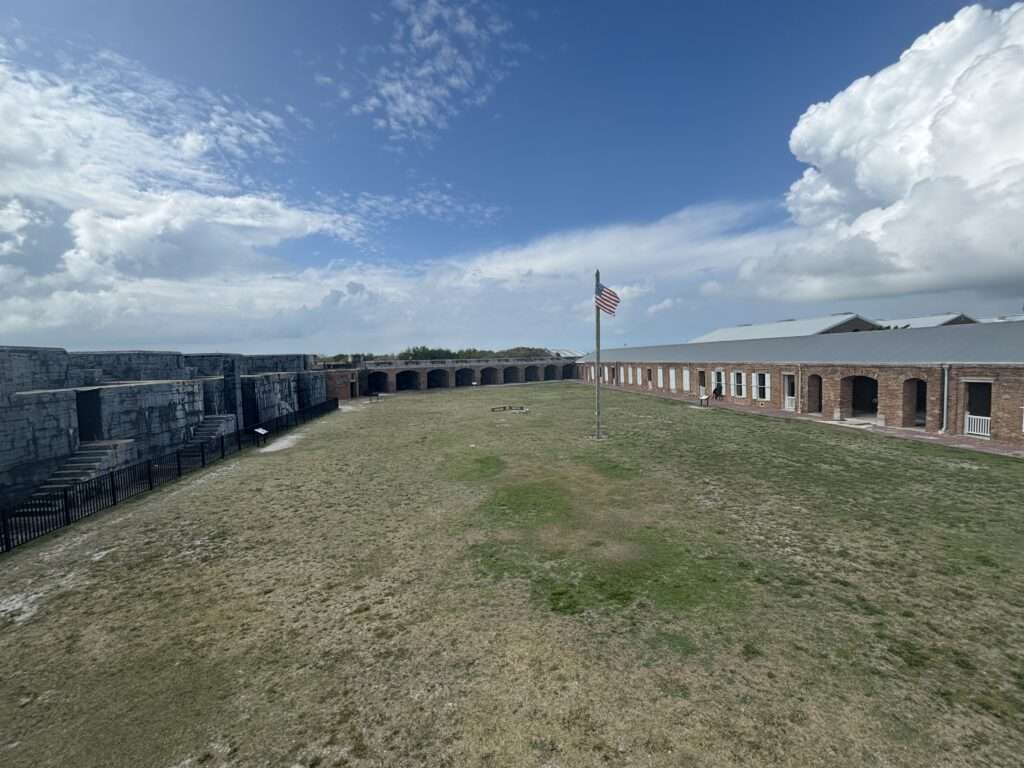
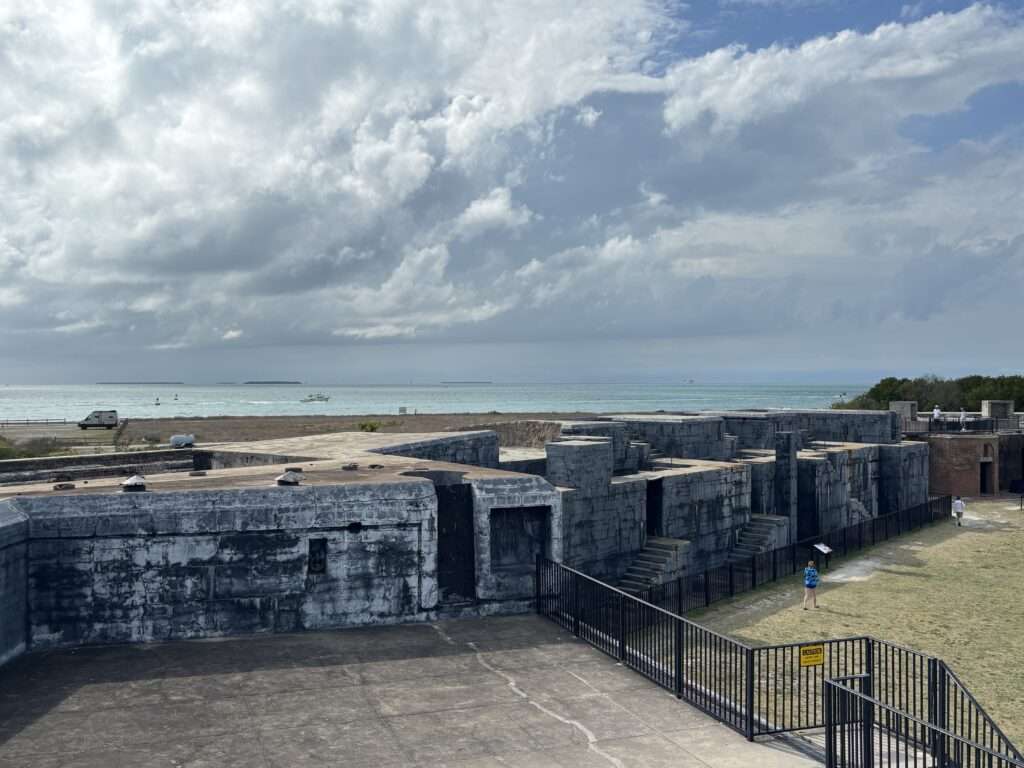
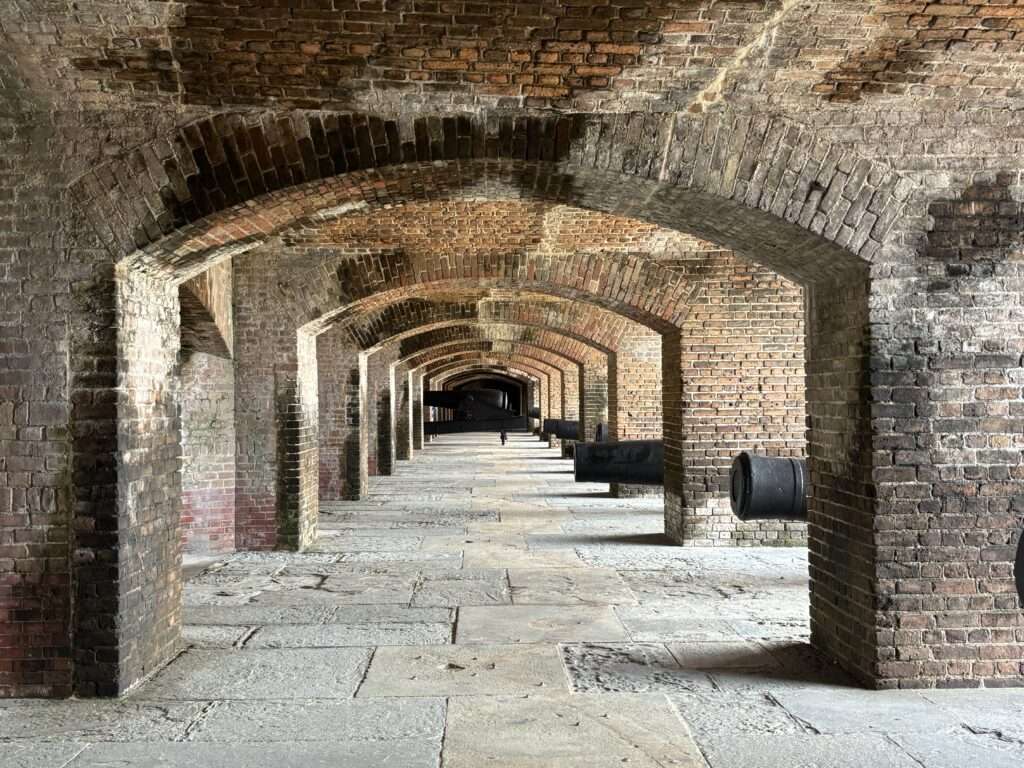
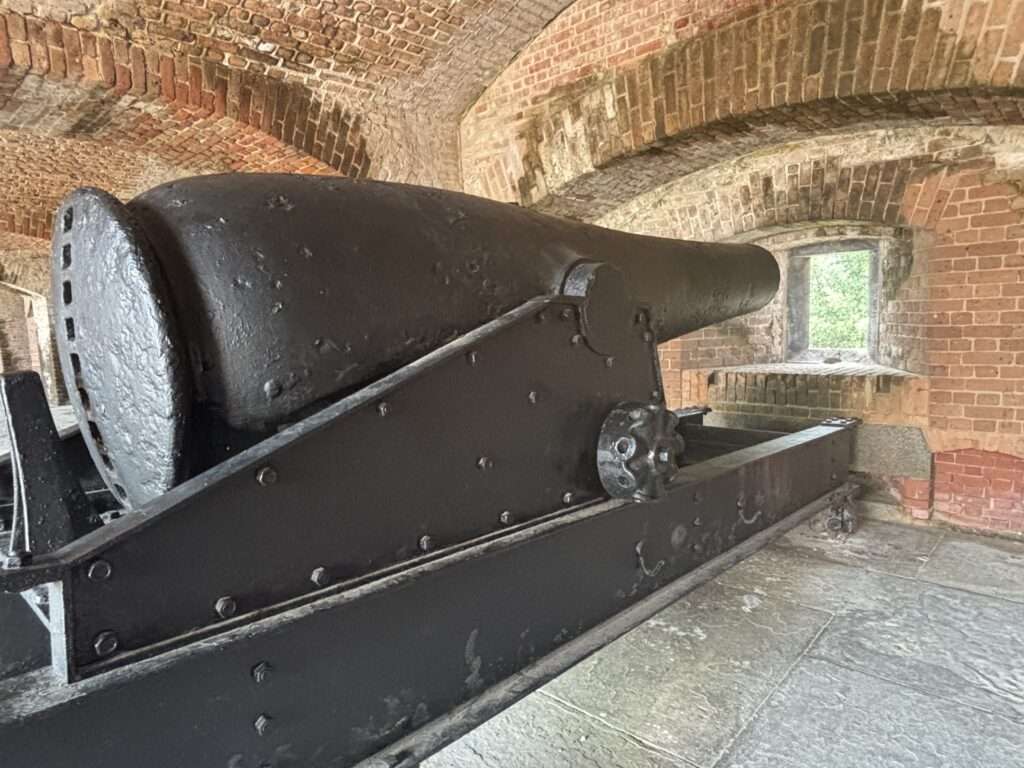
The coolest feature by far was the stretch of the building that housed the gun ports. A series of arches separated the many vaulted chambers (known as casemates) that housed the cannons. Each of the cannons pointed through an embrasure (small window) out to sea. The cannons had a range of 3 miles but were never fired in combat. Their mere presence was a deterrent to enemies.
Overall we had a great day at the state park. There is a lot to do in the park and I wish we had been able to spend a little longer there. Alas, an earlier start wasn’t possible with 4 teenage boys! But I would have loved to have explored some of the trails and had a little more time to wander the park’s 87 acres.
